
In brief
The proposed legislation aims to curb the glorification of Pablo Escobar, whose legacy continues to influence Colombia, as debates unfold on its implications for local businesses and societal healing efforts.
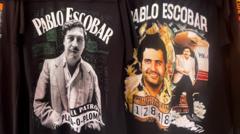
In a significant legislative push, Colombia’s Congress is considering a bill to prohibit the sale of memorabilia linked to Pablo Escobar, a drug lord infamous for his reign of terror and pivotal role in the cocaine trade. The proposal, which seeks to ban merchandise that glorifies criminals, has stirred mixed reactions across the nation.On the fateful morning of November 27, 1989, an event that would forever change the life of Gonzalo Rojas unfolded. Just ten at the time, he received the tragic news of his father's death in a bombing orchestrated by Escobar and his Medellín cartel aboard Avianca flight 203, resulting in the loss of 107 lives. Today, Gonzalo Rojas stands as a voice against the normalisation of Escobar’s image, advocating for a society where remembrance of such events doesn’t manifest in commercial merchandise.Escobar's notoriety has transcended Colombian borders, with countless items—from mugs to T-shirts—featuring his image commonly found in tourist hotspots. Supporters of the new law argue that it is imperative to stop the celebration of a figure responsible for thousands of deaths, including Rojas's father. Congressman Juan Sebastián Gómez, a proponent of the bill, remarked on the inappropriateness of distilling a complex history into commercial souvenirs.Nevertheless, many local vendors challenge the bill, citing their dependence on profits from Escobar-themed merchandise. Joana Montoya, a vendor in Comuna 13, expressed concerns that the legislation would jeopardise her livelihood, as nearly 15% of her sales stem from Escobar-related products. For Montoya and others, these items represent not just history but also essential income for families in Medina, a city once dubbed "the most dangerous in the world."Should the bill become law, a transition period will allow sellers time to phase out their Escobar merchandise. Critics within Congress and among the public argue that a focus on educational outreach about Colombia’s painful history is essential, rather than simply removing commercial products. Despite the divisive nature of the proposed law, notable public figures, including Medellín's mayor, have come forward to support it as an important step toward recognizing and honoring victims of violence. The bill may eventually spark necessary conversations about Colombia's past, possibly restructuring narratives surrounding figures like Escobar.As the legislation faces several stages of approval, those invested in the debate know it is more than just a matter of commerce; it is a defining moment reflecting a society grappling with its traumatic history while striving to redefine its identity in the eyes of the world.
