
In brief
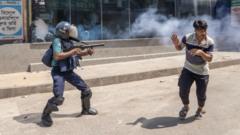
The chilling details of a crackdown during Bangladesh's student-led protests in 2022 have emerged, showcasing Hasina's direct involvement in authorizing violence against demonstrators, with significant casualties reported.
A recently leaked audio recording has implicated former Prime Minister Sheikh Hasina in authorizing a violent crackdown against protesters in Bangladesh, marking a pivotal moment in the ongoing investigations into her actions during the civil unrest of last summer. The BBC Eye investigation verified that Hasina, speaking on July 18, 2022, instructed security forces to "use lethal weapons" against demonstrators, stating, "wherever they find [them], they will shoot." This damning revelation is poised to be a centerpoint in her trial at a special tribunal for crimes against humanity, which has been initiated while she remains in exile in India. The unrest that transpired last summer resulted in the deaths of approximately 1,400 individuals, according to UN accounts, with Hasina's Awami League party fiercely denying any wrongdoing, asserting that the tape does not exhibit "unlawful intention."The protests erupted initially over civil service job quotas but escalated into a nationwide movement against Hasina's 15-year rule. On August 5, 2022, as violence peaked and thousands rallied against her government, Hasina evacuated her residence in Dhaka. In the aftermath, claims surfaced of a police massacre against protesters, leading to heightened scrutiny of her government's actions.The leaked recordings, part of a broader investigation into police brutality, provide a significant angle to the evidence against Hasina. An independent analysis of the audio, conducted by audio experts, confirmed its authenticity, solidifying its relevance in the ongoing legal proceedings.Human rights barristers involved in the case highlighted the importance of the recordings, with one expert indicating that they were crucial for establishing Hasina’s culpability regarding the violence. As the investigations unfolded, checkpoints were in place with substantial evidence documenting the violent responses of security forces during the protests, including video footage and testimonies from witnesses.As this saga progresses, the Awami League continues to contest the narrative surrounding the crackdown, claiming that the use of force was a necessary and proportionate response aimed at safeguarding public safety during turbulent times. Sheikh Hasina faces a litany of accusations including incitement and conspiracy that have traumatized a nation more accustomed to democratic governance. With the political landscape still in flux after her departure, the outcome of her trial hangs in the balance while Bangladesh navigates towards national elections under interim governance. The implications of this trial extend beyond Hasina’s fate, shedding light on broader human rights concerns in the region, amid calls for accountability from both international observers and local activists.

