
In brief
The UK and EU are on the brink of crucial negotiations in their first bilateral summit since Brexit, seeking a mutual path forward amid international pressures. Key topics will include defense cooperation, trading barriers, and addressing fishing rights. While there is a desire for closer relations, differences remain, particularly regarding economic policies and defense contracts.
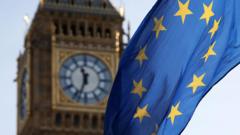
The upcoming summit between the UK and EU, the first since Brexit, marks a significant moment as both sides look to navigate the complexities of their post-Brexit relationship in light of global challenges. Scheduled for Monday in London, the meeting reflects a thawing of the pre-Brexit bitterness, as officials indicate a desire for closer cooperation amid rising concerns over geopolitical tensions from countries like Russia and China.Analysts and officials recognize that mutual interests in security and economic relations are motivating discussions ahead of the summit. “Failure to do so, in the current international context, would not be a good look,” warns Anand Menon of UK in a Changing Europe, emphasizing that the shift in global dynamics, accentuated by past uncertainties like Donald Trump’s presidency, has catalyzed this renewed engagement.During pre-summit negotiations, France, a key EU player, has been negotiating strongly over fishing rights and EU defense contracts. Interestingly, the UK recently announced French President Emmanuel Macron will make a state visit—an invitation seen as a strategy to ease relations ahead of the summit. As both sides seek to unite on key issues, such as support for Ukraine and definining foreign policy priorities, pressure mounts to reach agreements.Three main announcements are anticipated: a joint statement concerning shared foreign and defense policies, an EU-UK security and defense pact, and a new package aimed at easing trade barriers that emerged post-Brexit. While UK Prime Minister Sir Keir Starmer seeks a reset of relations, the new economic agreements that may come out of the summit are unlikely to drastically change the UK's position due to the hardline stances of the Reform Party.Key negotiations will involve a plant and animal health agreement, which aims to alleviate post-Brexit trade complexities, particularly between Northern Ireland and Great Britain. In this dialogue, the UK is expected to compromise by agreeing to follow new SPS regulations in exchange for smoother trade flows. However, this aspect may not sit well with Brexit supporters in the UK.On fishing rights, the Labour government faces pressure from EU nations, particularly France, which demands long-term rights for EU fishing in UK waters. The return of negotiations on ‘mobility’ is also on the agenda—Starmer is expected to advocate for recognition of UK qualifications to boost business, while the EU is pushing for a youth mobility scheme for EU citizens.Despite these initiatives, the UK remains cautious in reducing migration figures, a topic highly sensitive within current domestic politics. Ongoing discussions also include cooperation on energy trading and migration management, although many areas remain unsettled.When it comes to defense, UK companies are looking towards potential involvement in the EU's defense framework, a move Paris could resist. The blend of security and economic interests represents both a potential for collaboration and a field of conflict, with France advocating for a tighter limiting on access for non-EU companies to defense contracts.The balancing act of defense allocation amidst economic demands poses another challenge for the summit. Political leaders must justify increased defense budgets while ensuring they don't compromise funding for public services—an ongoing delicate negotiation as Europe faces a rapidly shifting geopolitical landscape.In sum, while Monday's summit appears to be a stepping stone towards improved relations, the outcomes will likely showcase the ongoing complexities both sides face in reconciling their post-Brexit identities within a changing European context.
