
In brief
Iran and the US recently wrapped up a pivotal first round of negotiations in Oman regarding Tehran's nuclear program, marking their most significant dialogue on nuclear issues since 2018.
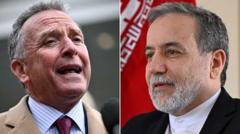
The discussions, which were characterized as "constructive" by both nations, affirmed plans for subsequent talks to take place next week. The US envoy, Steve Witkoff, led the delegation, while Iran's Foreign Minister Abbas Araghchi represented his country. The two diplomats had an indirect exchange mediated by Oman's Foreign Minister Badr bin Hamad al-Busaidi in what has been described as a peaceful and respectful atmosphere.The meeting, lasting two and a half hours, set a positive tone for future conversations. It was significant, given that President Donald Trump had previously withdrawn from the Iran nuclear agreement in 2018, prompting concerns over Iran’s nuclear ambitions. Following the gathering, both leaders expressed hope for reaching a mutually acceptable agreement, amid a backdrop of tensions in the region.Araghchi remarked on the constructive nature of the talks, noting the absence of hostile language, which indicated a potential easing of aggressive rhetoric that has typically characterized prior negotiations. The two sides refrained from direct face-to-face discussions for the majority of the meeting, communicating instead through the mediator. However, a brief exchange marked a step toward direct dialogue.The White House mirrored the positive sentiment from the talks, stating that Witkoff emphasized the need for diplomacy in resolving longstanding disputes. With pressures from hardline factions within Iran, Araghchi highlighted Iran's objective for a fair deal that would entail limits on its nuclear program in return for relief from sanctions.Points of contention remain, particularly what each side would accept in a potential agreement. Trump has communicated a desire to curb Iran's nuclear capabilities and prevent weaponization, while Iran strives for a deal that would allow them to retain a nuclear program for peaceful purposes.As preparations for further negotiations progress, discussions are expected to focus solely on Iran's nuclear ambitions, deliberately excluding other defense capabilities such as their ballistic missile program. With regional tensions and military posturing heightening, particularly from US forces, it remains to be seen how this complicated dialogue will unfold.Both sides acknowledge the gravity of the negotiations, as the existing 2015 nuclear deal approaches its expiration date, heightening anxiety about Iran's nucleur stockpiling and enrichment advancements. The outcome of these discussions could significantly affect the geopolitical landscape and regional peace.
