In brief
Somalia’s coastal piracy has spiked, with 13 hijackings this year and a dramatic increase of two vessels seized last week. The escalation follows U.S.‐Iran tensions that have diverted shipping away from northern chokepoints, creating opportunities for pirates. International naval forces have responded, including drone strikes that have reportedly killed pirates linked to weapons shipments. Yet the roots of piracy—economic hardship and fishing disputes—remain unresolved, leaving the region vulnerable to further attacks.
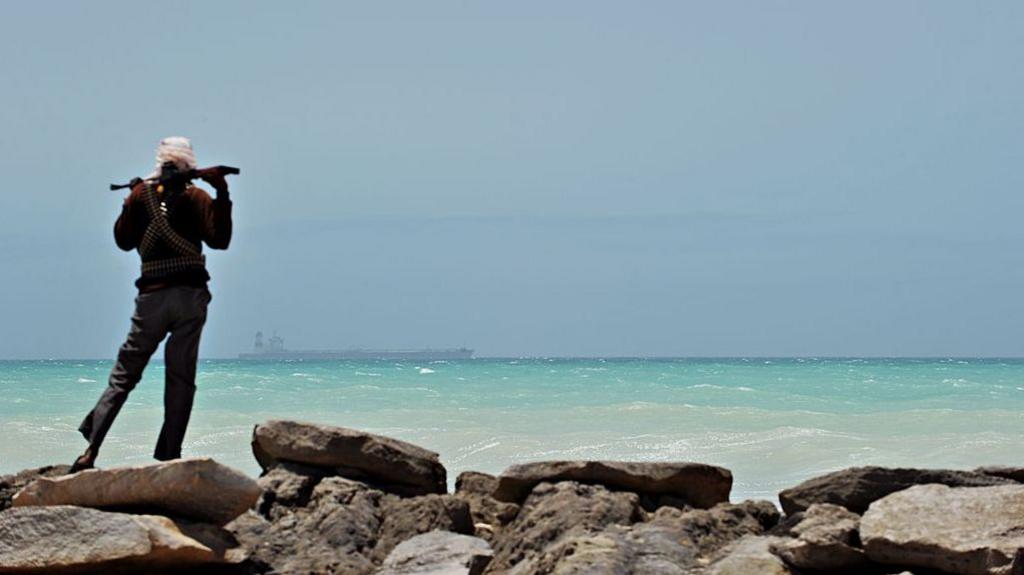
A surge in piracy near Somalia has increased threats to shipping already under pressure from maritime blockades and conflict due to the US war with Iran.
Within just four days last week, two cargo vessels were seized in the Gulf of Aden, bringing the total number of ships attacked since the start of the year to 13. The attacks prompted unprecedented drone strikes against the pirates, marking the biggest escalation in hijackings in more than a decade.
"Piracy is always a crime of opportunity," said Omar Mahmood, a senior Somalia analyst for the International Crisis Group (ICG). He noted that the current wave stems from disruptions in higher‑altitude waterways north of Somalia.
The Gulf of Aden and the Bab el‑Mandeb Strait, controlled by Yemen’s Houthi allies, are now focal points for target maritime traffic. The conflict in the Strait of Hormuz, and the blockades in Bab el‑Mandeb, have made the region more insecure, diverting commercial shipping south of Somalia in a hunting ground where pirates seek lucrative tanker convoys.
- Saudi‑Iran dispute drives U.S. forces to patrol the Strait of Hormuz.
- Yemen’s blockades increase piracy opportunities in the Red Sea.
- U.S. and Iranian sanctions push maritime rebels to target oil tankers.
The latest hijackings include the Cameroon‑flagged MV Lutuf, seized in Puntland on 17 August, and the Eritrean‑flagged MT Sibu 1 near Yemen’s coast. Two drone strikes on 18 August, allegedly targeting Turkish weapons shipments, killed thirteen alleged pirate suppliers.

Images of the hijacked vessel helped fuel retaliation; in the meantime, six vessels now lie in chains near Bander Beyla, demanding ransom. Yet the piracy threat has never reached 2011 highs of 200 attacks, and the international naval taskforce has largely contained the scourge since 2023.
However, scholars insist that underlying problems—economic hardship, overfishing by international trawlers, and unresolved political disputes—continue to feed piracy ambitions. The transfer of weapons to Turkish military facilities, if proven, could further entangle foreign powers in the conflict.
Some patrol vessels—Turkish, Spanish, Danish, U.S., and Indian—are reportedly closing in on the hijacked MV Lutuf. The Somali government claims Turkish forces performed a drone strike, though Ankara has denied responsibility, offering only a statement of "necessary support" in its agreement to strengthen maritime security in Somalia.
Puntland security officials are warning of potential escalation, calling “bombings by international warships targeting civilians” a serious threat to anti‑piracy cooperation. The dispute between Puntland and Mogadishu adds a local dimension that could derail coordinated defense.
Without an end to the US‑Iran war or amplified international deterrence, Somali piracy risk continues to rise in an already stretched maritime corridor. The region’s future will hinge on sustained security patrols and addressing the root socioeconomic causes that drive piracy. (Additional reporting by Mohamed Gabobe in Mogadishu and the BBC Somali Service.)