Philippines' Tennis Boom: Alex Eala Sparks a Nation
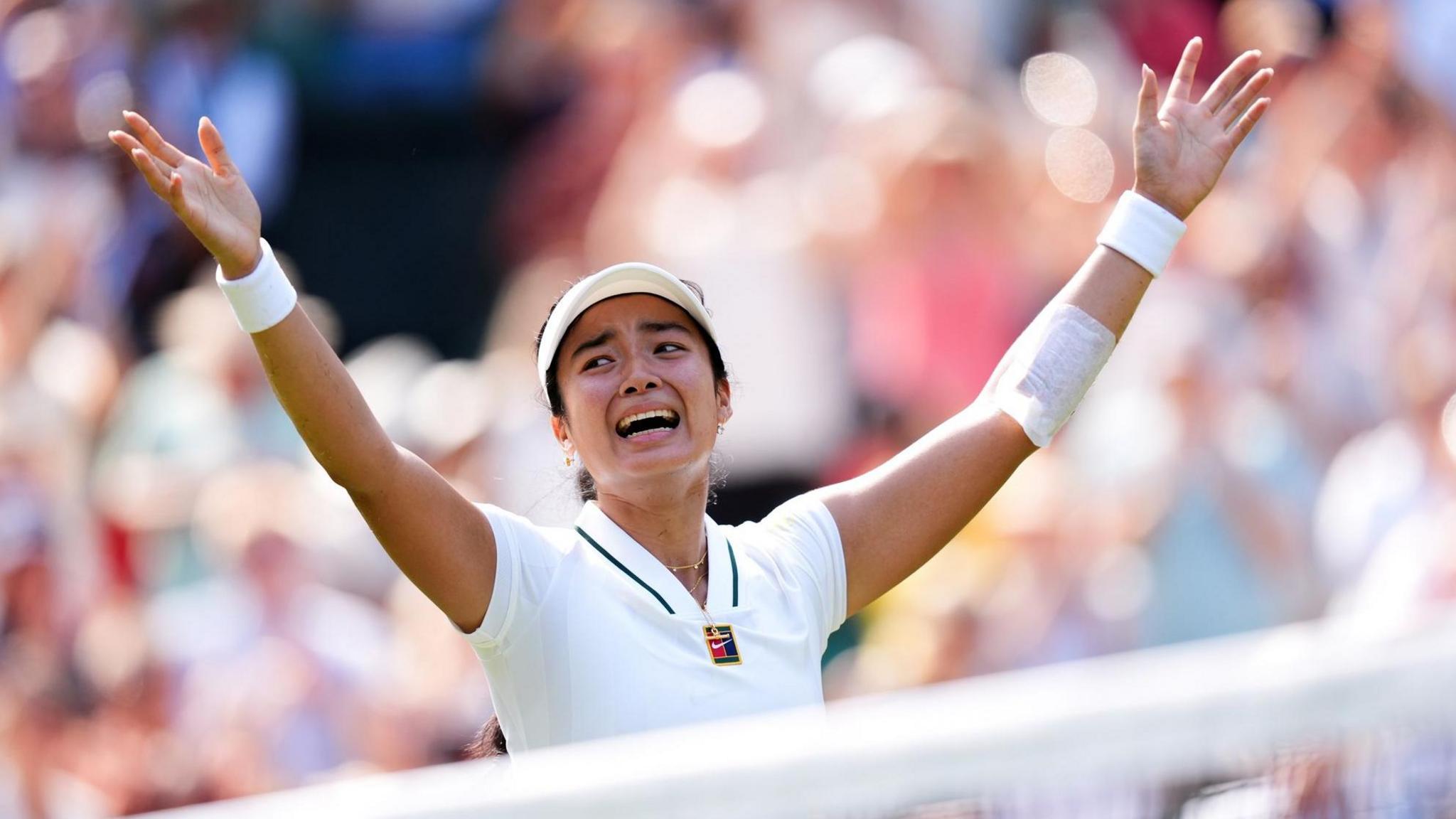
Alex Eala’s run to the fourth round of Wimbledon is the biggest tennis story the Philippines has ever seen. She beat the defending champion Iga Swiatek before falling in the quarter‑finals, and the nation watched her victory streamed from the grass courts in real‑time.
The Rising Star
At just 21, Eala broke records, becoming the first Filipina to reach a Grand Slam fourth round. Fans celebrated her success in Manila where a reception was held at Malacanang Palace and the President toasted her achievements.
Inspiring the Next Generation
Teenage player Maristella Torrecampo, 14, travelled 13 hours by bus with her father to play in Manila’s Prix d’embauche. Her win over an Omani opponent and the national attention Eala received helped her keep dreaming of playing for the Philippines.
Young fans like eleven‑year‑old Luca Ong and accountant Celso Mugot say Eala’s breakthrough has lit a fire in them to try tennis again, even though court space is scarce.
Challenges on the Court
Despite the hype, access to tennis remains expensive. A one‑hour court rent in Manila can cost around 2000 pesos—half a day’s wages. Many kids learn by scavenging spare balls or old rackets, as coach Jovy Barce tells the BBC.
Architect Felino Palafox notes the lack of space in densely populated Metro Manila, saying that every village should have a tennis court for the next generation to grow.
Meanwhile, Eala’s elite background has drawn criticism; her father is a prominent businessman and she studied at the Rafael Nadal Academy. Yet she insists her success came from hard work, not privilege.
Shifting gears, Eala has now set her sights on the US Open. “I’ll keep playing to represent my country—people need to see what we’re capable of,” she said in an Instagram story.
Torrecampo’s coach, Delfin Torrecampo, stresses that dreams can still be achieved: “Poverty is not a barrier if you keep pushing; the win comes one day if you fight.”
As interest grows, the Philippine sports community is finally united: tennis is no longer viewed as a “rich man’s sport.” By investing in courts and training, the country could turn fans into champions.