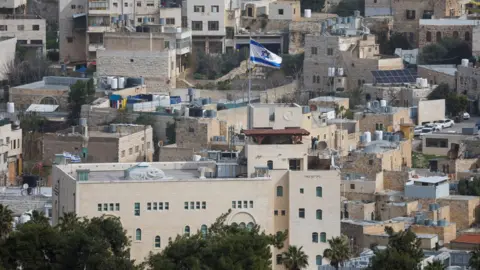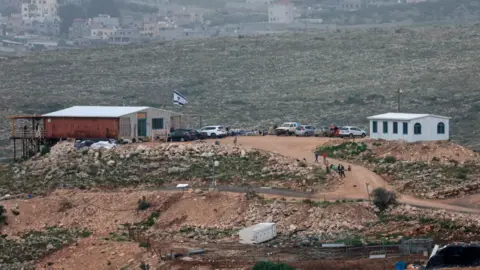
From the dusty hills above the Old City, a pile of rubble from a Palestinian home stands as evidence of the sharp rise in demolitions by Israeli forces in East Jerusalem. The images of excavators churning open walls have been a grim backdrop for citizens in the Silwan neighbourhood.
Since late 2023, an alarming 59 properties have been destroyed in al‑Bustan. The demolitions come while global attention is locked on conflicts in Gaza, Iran and Lebanon, and a strike against Palestinian residency now feels like a quiet violence of displacement.
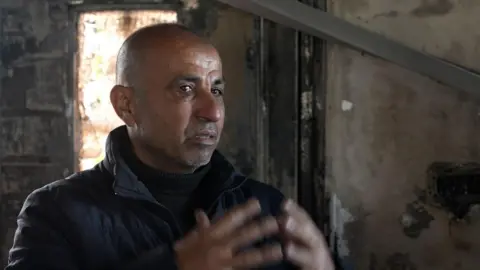
“There is no future. They destroyed the future and everything else,” says 58‑year‑old Fayez Awad, who now sleeps on the floor of his own house. Other residents, including activist Fakhri Abu Diab, warn that a wave of demolition orders threatens the remainder of their homes and even a caravan set among the rubble.
The Jerusalem Municipality has long planned a biblically themed King’s Garden in al‑Bustan. The plan, endorsed by a group of Israeli settlers, now becomes a catalyst for building demolitions, legal orders and continued opposition from Palestinian residents.
A dramatic example is the Basha family, who have lived in a historic yeshiva for decades. Their 12‑member family, most of whom are elderly, has been ordered out by Israeli courts amid a new project for a large orthodox yeshiva nearby. The court’s decision, supported by a district injunction, emphasizes the threat to historic Palestinian households amid plans for new Jewish facilities.
Other aspects of the crisis include tighter land registration rules introduced in 2018 that have accelerated the seizure of Palestinian‑owned properties. Palestinian families are increasingly forced to leave, a reality mirrored by the fact that only 7% of new housing approvals are for Palestinians in Jerusalem.
International pressure has intensified. The European Union has issued statements describing the situation as “dire” in East Jerusalem and calling out Israel’s settlement policy. The response underscores a lack of global enforcement mechanisms to protect Palestinian residents from state‑driven displacement.
The clash between city‑wide leadership and the rights of residents remains an ongoing stalemate. With no clear path for savings or resettlement, families like Yusra Qweider, who has been displaced three times since 1948, hold onto a desperate hope for help and for survival in their own homes.