In brief
A 16‑year‑old suspect forced his way into an Oregon primary school by firing at locked doors and opened fire, killing a teacher and three children aged 5, 8 and 11. The suspect was later killed inside the school by an armed community member. Two more people, a 7‑year‑old child and another teacher, sustained serious injuries and were transported to hospital in critical condition. Police are investigating the motives behind the attack and the circumstances that allowed the teen to gain access to the school. Community leaders are calling for tighter school safety measures and broader gun‑control reforms.
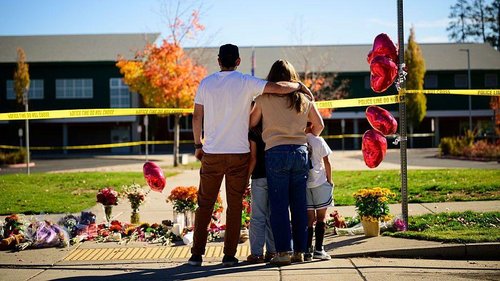
On the morning of Monday, authorities in Oregon were thrown into chaos when a 16‑year‑old teenager burst into a local primary school by firing at the locked doors. The gunman then began firing into the classroom, where he killed a teacher and three children aged five, eight and eleven.
Emergency responders arrived within minutes, but the scene was already a nightmare: the suspect was seriously wounded after an armed community member confronted him inside the school. The teenager was shot and killed on the scene.
In addition to the four fatalities, two people were stretchered to the nearest hospital. A seven‑year‑old child and another teacher were reported in critical condition.
Police released a statement that the suspect’s chain of events and motive remain under investigation, noting that evidence suggests the teen had begun the shooting at a time when the school was just beginning the school day. Authorities urge parents to remain vigilant and for law‑enforcement to continue probing how the teen managed to get close to the locked doors.
The tragedy has renewed calls across Oregon for stricter school safety protocols and tighter gun‑control legislation, as community leaders emphasize the need for protective measures and preventive strategies to protect children on school grounds.
The school district has announced that it will conduct an urgent review of safety protocols and will remain open for families and staff while it copes with the aftermath of the traumatic event.