Nigeria’s President Approves Largest Military Expansion in Recent Times
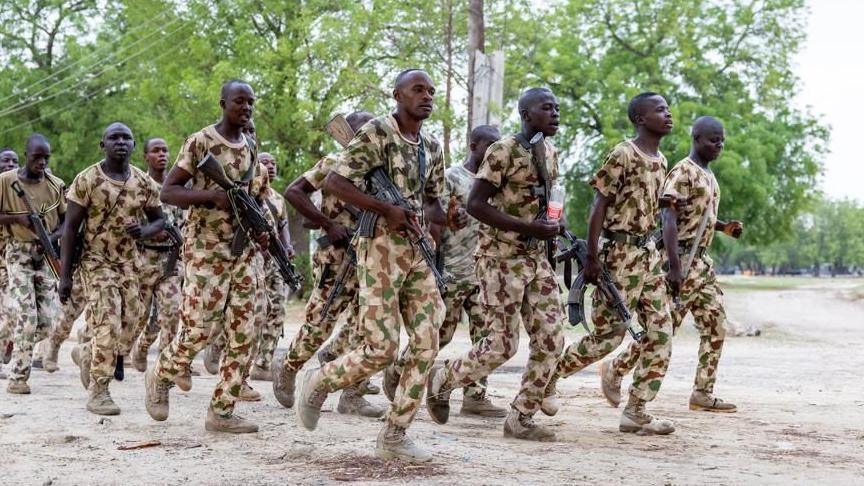
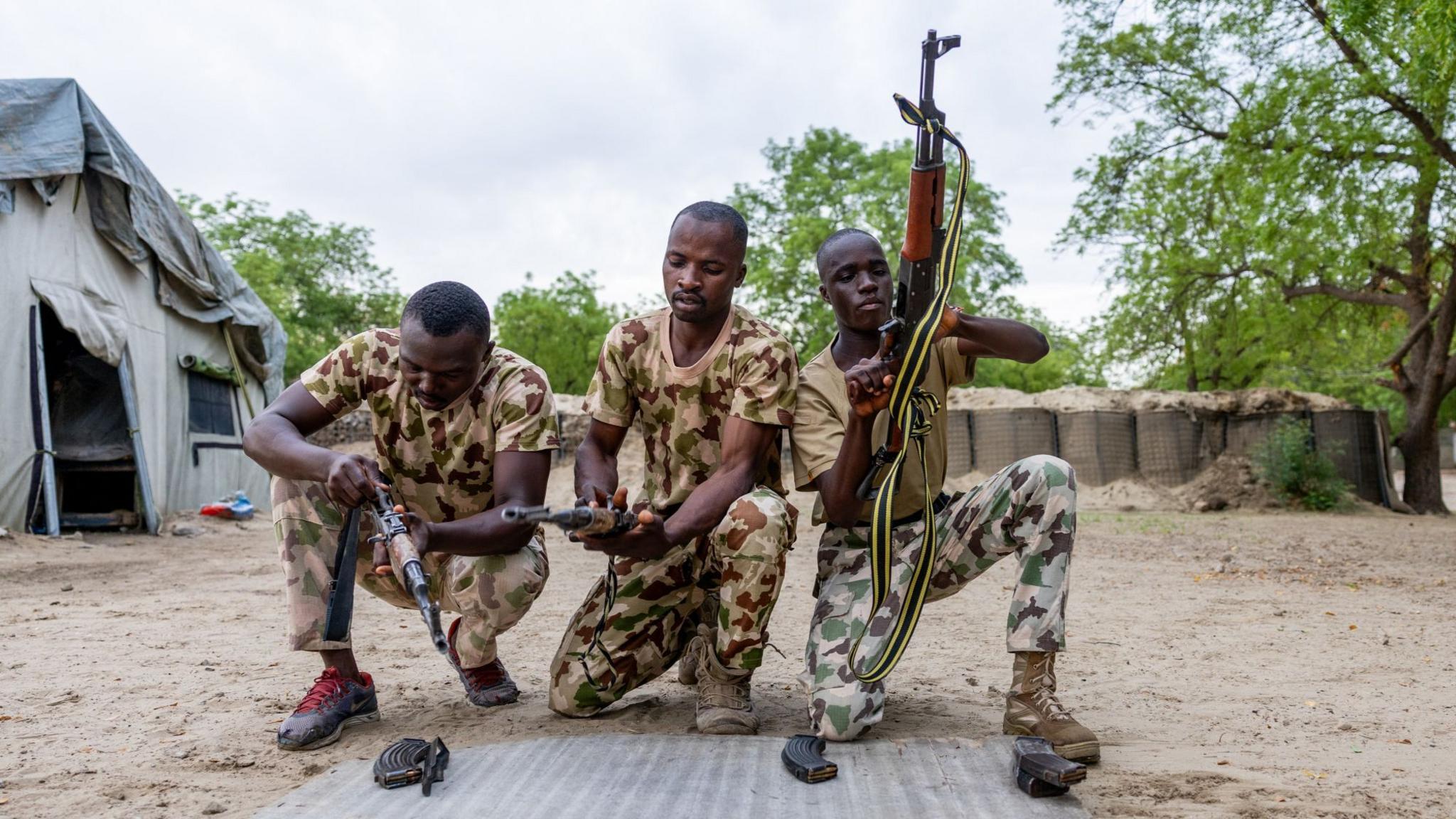
Chief Bola Tinubu has authorized the recruitment of 28,000 additional soldiers and the creation of four new army divisions, bringing the total number of divisions to 12. The expansion is aimed at tackling a surge of security challenges across Nigeria, which include Islamist militancy, separatist movements and organised banditry.
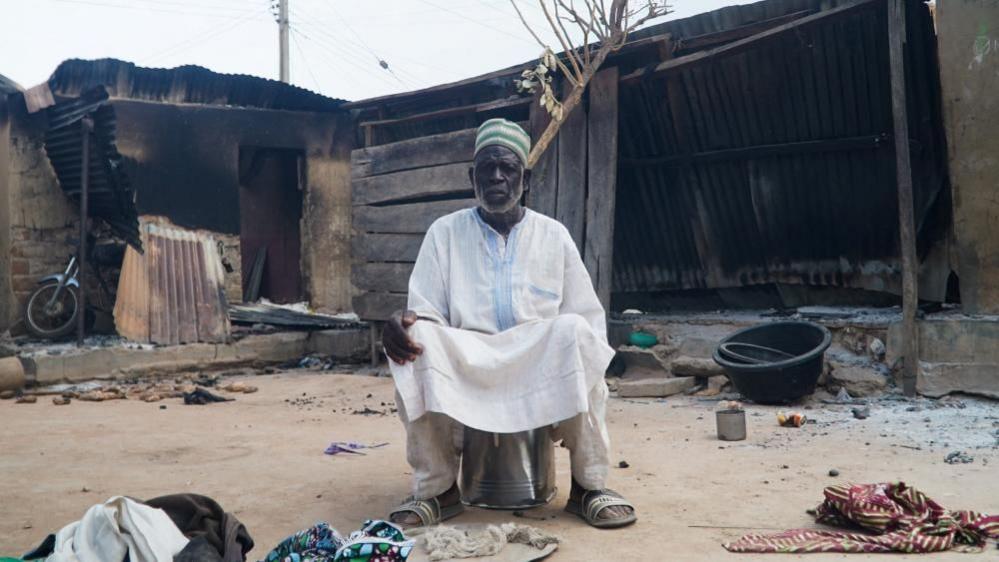
In a single week, an armed gang killed at least 20 villagers in Zamfara and 46 students were abducted from a Borno state school. The army rescued the students after several hours, signalling key progress against the growing threats posed by criminal groups.
The government emphasised that the new army divisions will enable better coordination, intelligence sharing and faster response times. Currently, many divisions cover territories stretching across multiple states, diluting their operational effectiveness.
Alongside the fourth division, three new army headquarters will be established in the North‑East and Central regions—areas troubled by Islamist militancy, banditry and farmer‑herder clashes. The violence has also spread to the South‑West, with 44 pupils and teachers abducted during coordinated attacks on schools in Oyo state.
Security experts caution that finding young Nigerians willing to join the army could prove challenging, given the rising number of soldier casualties. Yet the president gave a stern warning to armed groups: “surrender or face the full force of the state.”
During a speech last month, Tinubu pledged over 50,000 new police officers and a record allocation of 5.41 trillion naira ($4 bn) to national defence and security budgets. In December, a joint US–Nigerian operation struck jihadists, targeting Lakurawa militants on Christmas Day and eliminating senior IS African leaders such as Abu‑Bilal al‑Minuki.
Despite these aggressive campaigns, Islamist militants continue to stage attacks, underscoring the persistent threat and the importance of the military expansion strategy.