In brief
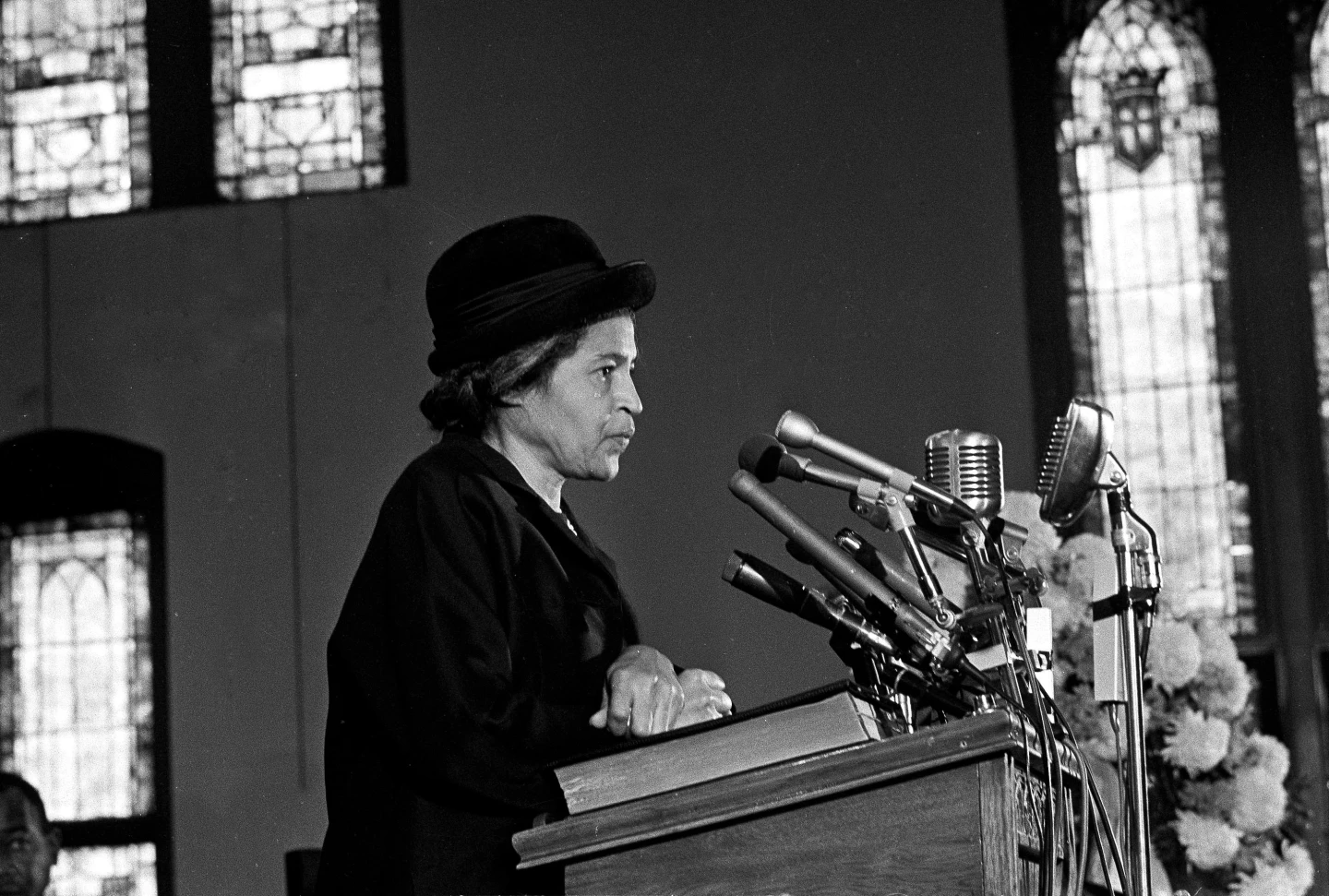
On Friday, the Alabama Capitol will unveil statues of Rosa Parks and Helen Keller, the first statues of women on the Capitol grounds. Rosa Parks, known for her pivotal role in the civil rights movement, and Helen Keller, renowned for her advocacy for people with disabilities, exemplify significant contributions to American history. Lawmakers approved the legislation for the statues in 2019, with Rep. Laura Hall emphasizing the importance of recognizing women's impact on history.
MONTGOMERY, Ala. — Statues of Rosa Parks and Helen Keller, pivotal figures who fought for justice, will be unveiled on the grounds of the Alabama Capitol on Friday.
These monuments, depicting two celebrated Alabama natives—one who resisted racial segregation and the other who championed the rights of individuals with disabilities—are the first representations of women to be placed on the Capitol lawn. This addition aims to present a more comprehensive history of Alabama, balancing the previous emphasis on tributes to the Confederacy created at the site in 1861.
Though a bust of Lurleen Wallace, Alabama's first female governor, exists within the Capitol, no statues of famous women had adorned the grounds until now.
Rep. Laura Hall, who sponsored the legislation in 2019, stated, It is important that visitors to the Capitol see the full picture, the history, and the impact that women have played.
Both Parks and Keller serve as unifying symbols of progress—Heralding the inclusive arguments of people across racial and political lines, Hall emphasized the broad appeal of their legacies.
Known as the mother of the modern civil rights movement, Parks was arrested on December 1, 1955, for refusing to give up her bus seat for a white passenger. Her defiance sparked a citywide boycott of the segregated bus system, marking a pivotal moment in U.S. history.
In contrast, Keller, born on June 27, 1880, in Tuscumbia, Alabama, became deaf and blind due to an illness earlier in her childhood. Under the guidance of her teacher Anne Sullivan, she learned to communicate and emerged as a prominent author and activist for various causes, including workers’ rights and women's rights.
The statue of Parks will be placed strategically by the Capitol's steps, facing Dexter Avenue—the historical route where she boarded the bus, while Keller's statue will face the Alabama Statehouse. The unveiling ceremony marks the culmination of over six years of planning and collaboration by the Alabama Women's Tribute Statue Commission.