In brief
Scientists say a sharp wooden spear pierced a Neanderthal’s chest, exited through its left shoulder blade, as seen in the first evidence of lethal interpersonal violence in the Middle East. The find, from Kurdish Shanidar Cave, dates back 75,000 years and challenges the notion that early humans were non‑violent. Archaeologists compare the a‑round wound with experiments using reconstructed spears, which produce similar holes. Although accidental hunting may explain it, the positioning of the wound points to an intentional strike. This discovery adds to a growing catalogue of ancient injuries suggesting prehistoric human‑on‑human violence.
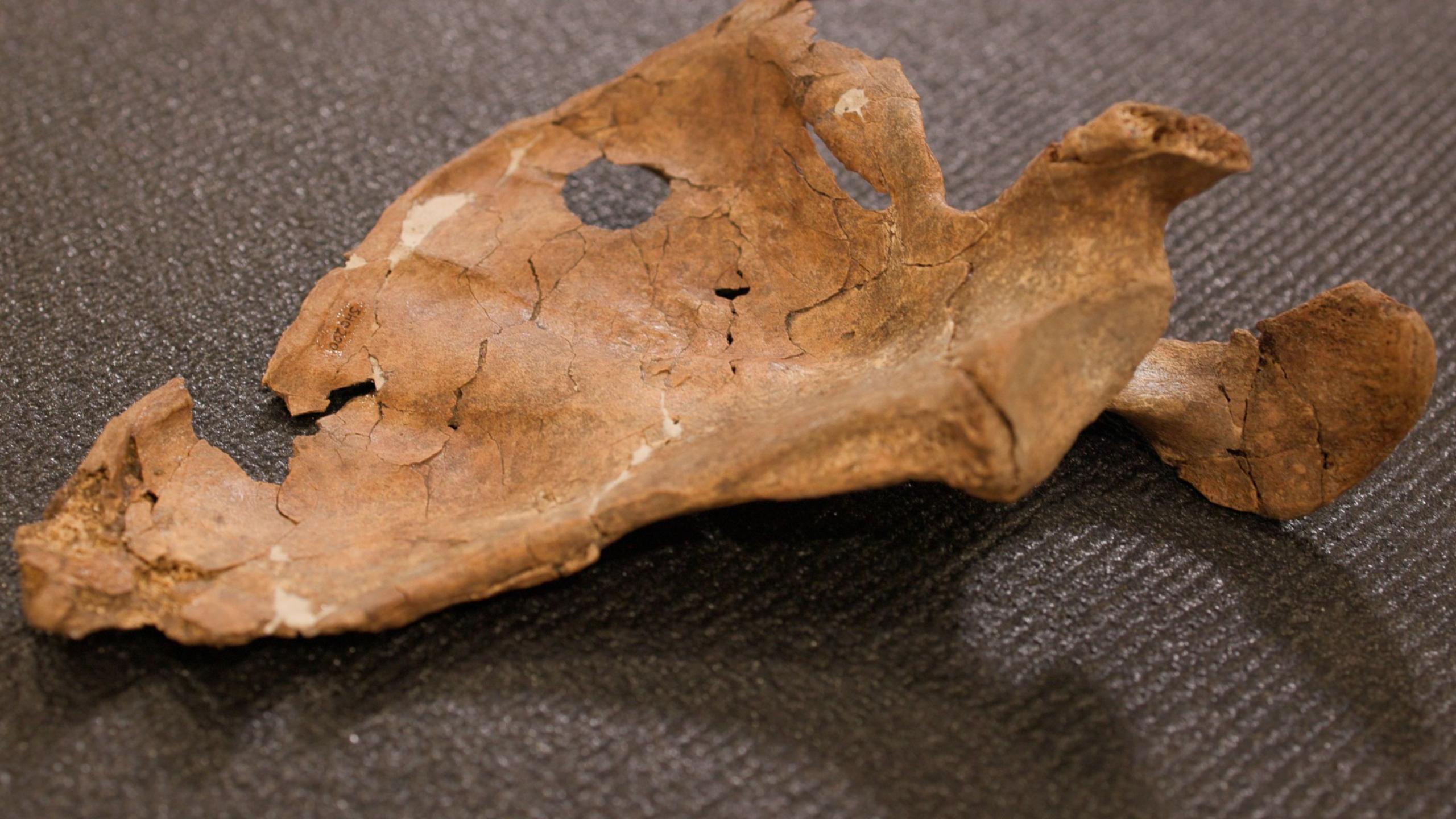
Shanidar A – a Neanderthal who died about 75,000 years ago – may have been struck through the chest by a sharpened wooden spear. Archaeologists find a 15 mm circular hole in his left shoulder blade, the earliest known evidence that a weapon could kill a Neanderthal.
The wound’s depth and orientation indicate the spear entered the chest, likely damaging a lung and major blood vessels, and then cut out the shoulder blade. They compare a foolproof round hole with experiments on reconstructed wooden spears, which produce identical bites in bone.
While accidental hunting or friendly fire cannot be ruled out, the researchers, led by Dr Emma Pomeroy of Cambridge, favour a deliberate, lethal attack. “The fatal strike may have been an intended heart shot,” she notes.
The Shanidar site, in northern Iraq, also yielded other Neanderthal remains, including a partially healed rib wound from a second individual about 50,000 years old that historians think may have been caused by a stone‑tipped spear.
What these findings suggest is that human–on–human violence dates back far earlier than the rise of farming settlements, and may have been common among hunter‑gatherer societies. The growing body of injury evidence challenges the view of Neanderthals as peaceful beings.