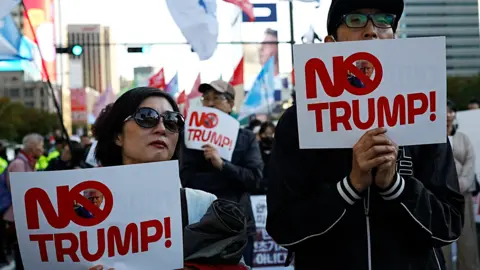
Protests erupted in Seoul with chants of No Trump! echoing around the U.S. embassy as South Koreans voice their discontent ahead of high-profile diplomatic talks this week. While one rally decried American policies, a counterpart criticized China's growing influence, indicating a complex national sentiment.
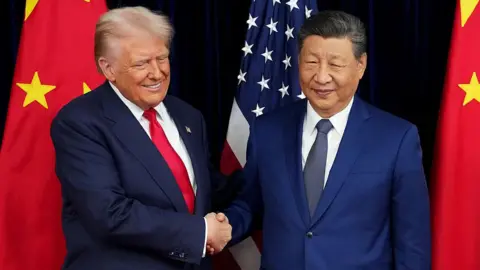
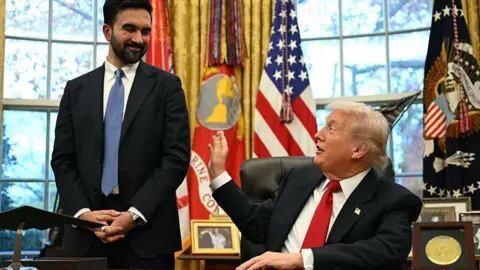
As President Lee Jae-myung prepares to host both Trump and Xi, he faces the challenge of balancing South Korea's close alliance with the U.S., forged during the Korean War, against its reliance on China as a vital trading partner. The unfolding scenario has caught the attention of both leaders, with implications for their nations' economic relations, particularly in light of ongoing trade disputes.
Amidst the protests, which highlighted dissatisfaction with U.S. demands for investment and concerns over Chinese expansion, Lee's government is tasked with navigating these tumultuous relations. A seasoned politician, Lee's approach will shape South Korea's international stance while addressing domestic sentiment that reflects the broader complexities of global diplomacy.
While the streets are alive with dissent, a recent poll indicates strong support for the U.S. as South Korea's main ally, contrasting with less favorable views of China. This duality underscores the strategic tightrope that Lee must walk, fostering economic ties with both superpowers without alienating his own populace.
As Lee's administration aims to present a unified front during these talks, the coming days will be pivotal for South Korea. The outcomes could redefine its role on the world stage, particularly as it seeks to present itself as a key player amid shifting global dynamics.