In brief
Following deadly floods that left many families searching for missing relatives, Nepal’s authorities are cracking down on online harassment. Prime Minister Balendra Shah declared that those who hide behind social media to belittle suffering will face severe penalties. Police are collecting identities behind threatening comments and a 10‑member committee has been formed to investigate. Under the Electronic Transactions Act, offenders can be jailed up to five years and fined over a hundred thousand rupees. Experts say some hateful comments may stem from 'rage baiting' and an extreme pro‑government backlash, further polarising the online conversation.
N. Nepal Cracks Down on Online Abuse Directed at Flood Survivors
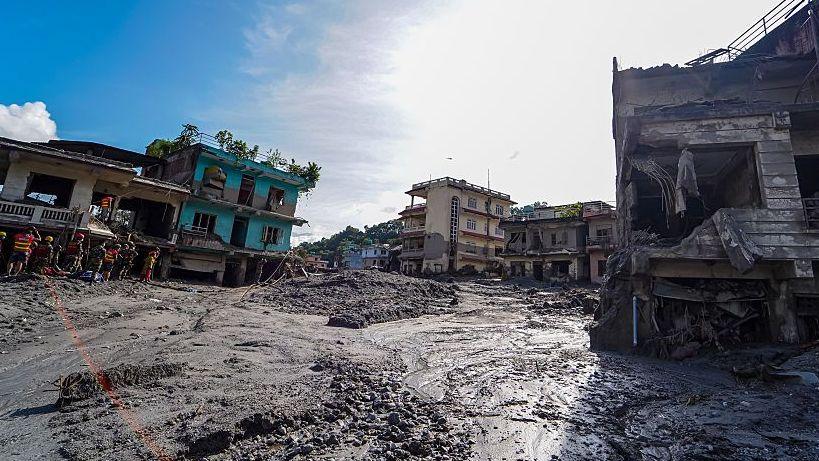
After last month’s deadly flooding, many Nepali families searched online for missing relatives. Their pleas for help were met with harsh comments, prompting the government to take action.
Prime Minister Balendra Shah issued a Facebook warning that those who "belittle" the suffering will be treated as criminals. Police are tracing the origination of hostile messages and will identify addresses and phone numbers behind the comments.
A woman whose brother vanished two weeks after the floods said rescue operations were slow. She later posted that she received many nasty comments after criticizing the effort. Another viral clip, in which a woman asked authorities to confirm her husband’s body, also triggered cruel replies such as "jump into the river".
Supporters and critics alike have used social media to spread hostility. Dovan Rai of Body & Data notes that some acrimonious remarks may stem from "rage baiting"—content created to provoke outrage and drive engagement. He also warns of extremist elements that strongly defend the government, intensifying online division.
A 10‑member committee has been convened to investigate these online abuses. Under Nepal’s Electronic Transactions Act, offenders may face up to five years jail and a fine of up to 100,000 rupees ($662).
This crackdown signals a shift in how the Nepali government will manage public sentiment during crises. The approach may set a precedent for online conduct in future disaster responses.