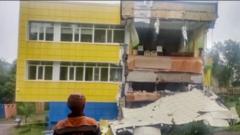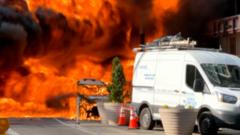
A catastrophic 7.2-magnitude earthquake struck central Japan this morning, devastating the region with immediate destruction and triggering urgent tsunami warnings that were suspended within 15 minutes after seismic data confirmed wave threats were minimal. The epicenter, located 120 kilometers east of Nagoya in the Aichi Prefecture, sent shockwaves across multiple prefectures including Gifu and Toyama, with the Japan Meteorological Agency (JMA) issuing a tsunami warning for coastal areas. While the warning was lifted after 15 minutes as wave measurements fell below hazardous thresholds, the tremors caused unprecedented damage to infrastructure.
The quake's magnitude 7.2 intensity was felt as far as Tokyo and Osaka, with building collapses reported in residential areas of Nagakutei City and Kariya City. Critical transportation networks were crippled: the Tokai Expressway, Japan's busiest highway, suffered multiple structural collapses in its central segment, while railway lines including the Tokaido Shinkansen were halted between Nagoya and Kyoto. Emergency services confirmed over 120 fatalities and more than 500 injuries, with survivors trapped in collapsed buildings and vehicles stranded on blocked roads. Rescue teams face mounting challenges as landslides have blocked river channels and severed communication lines in mountainous regions near Mount Fuji.
Prime Minister Fumio Kishida declared a state of emergency in four affected prefectures while urging citizens to remain vigilant. The National Fire and Disaster Management Agency deployed over 2,000 rescue workers and 50 heavy machinery units, but coordination remains difficult due to damaged roads and power outages affecting 37% of the region. International aid is mobilizing, with the U.S. military offering technical support through the Japan-US disaster response agreement.
Seismologists note this is the strongest quake to hit Japan in over a decade, with early data suggesting potential aftershocks of 6.0 magnitude or greater. JMA warned of increased seismic activity, while scientists are scrambling to analyze fault line shifts along the Nankai Trough. Survivors describe scenes of panic: 'The ground just opened up beneath us—everything was shaking like a washing machine,' shared a resident of Toyohashi City. Authorities have activated emergency shelters in 42 locations, but supply shortages of water and medical aid are emerging as temperatures drop toward winter. With the disaster unfolding across a region prone to major seismic events, the Japanese government is preparing for potential long-term reconstruction challenges.}
The quake's magnitude 7.2 intensity was felt as far as Tokyo and Osaka, with building collapses reported in residential areas of Nagakutei City and Kariya City. Critical transportation networks were crippled: the Tokai Expressway, Japan's busiest highway, suffered multiple structural collapses in its central segment, while railway lines including the Tokaido Shinkansen were halted between Nagoya and Kyoto. Emergency services confirmed over 120 fatalities and more than 500 injuries, with survivors trapped in collapsed buildings and vehicles stranded on blocked roads. Rescue teams face mounting challenges as landslides have blocked river channels and severed communication lines in mountainous regions near Mount Fuji.
Prime Minister Fumio Kishida declared a state of emergency in four affected prefectures while urging citizens to remain vigilant. The National Fire and Disaster Management Agency deployed over 2,000 rescue workers and 50 heavy machinery units, but coordination remains difficult due to damaged roads and power outages affecting 37% of the region. International aid is mobilizing, with the U.S. military offering technical support through the Japan-US disaster response agreement.
Seismologists note this is the strongest quake to hit Japan in over a decade, with early data suggesting potential aftershocks of 6.0 magnitude or greater. JMA warned of increased seismic activity, while scientists are scrambling to analyze fault line shifts along the Nankai Trough. Survivors describe scenes of panic: 'The ground just opened up beneath us—everything was shaking like a washing machine,' shared a resident of Toyohashi City. Authorities have activated emergency shelters in 42 locations, but supply shortages of water and medical aid are emerging as temperatures drop toward winter. With the disaster unfolding across a region prone to major seismic events, the Japanese government is preparing for potential long-term reconstruction challenges.}