
In brief
The military in Madagascar has declared the seizure of power from President Andry Rajoelina after weeks of unrest marked by youth-led protests over economic issues. Colonel Michael Randrianirina announced plans for a new government and elections within two years. As celebrations erupt in the capital, uncertainties remain regarding the president's status, prompting international concern about the situation.
An elite military unit in Madagascar, led by Colonel Michael Randrianirina, has announced it has seized power from President Andry Rajoelina amidst ongoing youth-led protests throughout the Indian Ocean island. Colonel Randrianirina declared intentions to form a new government and hold elections within two years, following a wave of demonstrations that began as a reaction to chronic water and power shortages.
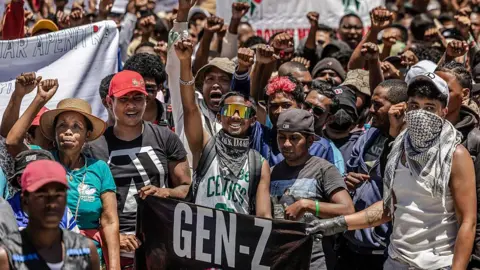
During a public address outside the Presidential Palace, Randrianirina underscored the importance of including Gen Z protestors in upcoming reforms, acknowledging that their movement stemmed from grassroots dissatisfaction. The streets of the capital, Antananarivo, overflowed with jubilant citizens celebrating the military’s declaration amid grievances against Rajoelina's administration.
Despite this power shift, the constitutional court has named Randrianirina the leader, whereas the president’s office claims Rajoelina remains in control, even as he reportedly shelters in a 'safe place.' Reports suggest that he may have been evacuated via French military aircraft after an alleged assassination attempt.
The protests have intensified over the last fortnight, expanding beyond public utilities issues, reflecting broader discontent with high unemployment rates and rampant corruption. Officials have reported casualties, with the UN citing at least 22 deaths; however, the Malagasy government has disputed these figures, branding them as misinformation.
This unrest marks another chapter in Madagascar's tumultuous political history, as Rajoelina, once seen as a beacon of hope, has faced accusations of cronyism and corruption, which he vigorously denies. As calls for accountability swell, both national and international leaders are expressing concerns over the implications of military involvement in civil governance.
The situation remains fluid. Rajoelina's attempts to dissolve the national assembly before legislative action against him garnered little support; opposition lawmakers overwhelmingly voted to impeach him. With the nation's future now uncertain, both the African Union and international leaders, including French President Emmanuel Macron, have urged for a return to civilian rule.
As Madagascar battles its political upheavals, the path forward remains unclear, with significant portions of its 30 million people living below the poverty line.

