In brief
The director of the Louvre Museum disclosed security shortcomings that led to the theft of €88 million worth of crown jewels. During a hearing, she stated that the museum's perimeter cameras were inadequate, with one directed away from the area where the robbery occurred. The museum is now facing scrutiny over its security infrastructure and funding, as a crackdown unfolds to enhance protection after the incident.
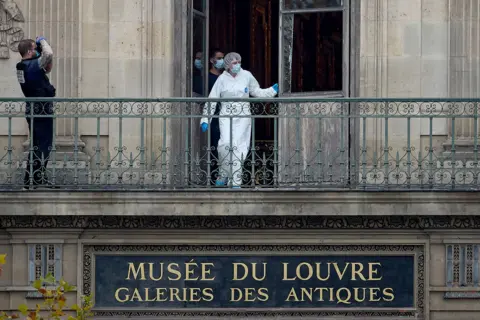
The Louvre failed to spot a gang of thieves early enough to stop the theft of €88m (£76m) worth of French crown jewels, the museum's director has revealed. Laurence des Cars, speaking publicly for the first time since the heist, told French senators that CCTV around the Louvre's perimeter was weak and aging. The only camera monitoring the exterior wall of the Louvre where they broke in was pointed away from the first-floor balcony leading to the gallery housing the jewels, she explained.Des Cars stated, We failed these jewels, acknowledging that nobody could be protected from brutal criminals - not even the Louvre as she cut through the assumptions made by ministers denying security failings.She described the surveillance system as very unsatisfactory, with some areas unable to accommodate modern technology. Despite the Louvre having 8.7 million visitors last year, investment in security has lagged. Des Cars emphasized the need to double the number of CCTV cameras and raised concerns about the site’s aging infrastructure.When questioned by senators about the lone camera that wasn't even facing the right direction, she acknowledged a complete lack of awareness of the thieves' arrival. While she commended the swift actions of the security guards during the incident, she admitted that the poor perimeter security was well-known.The robbery, which took place last Sunday, has left the gallery closed while investigations continue to locate the gang, who managed to escape with eight significant items, including a necklace once owned by Emperor Napoleon. During their escape, a diamond-studded crown belonging to Empress Eugenie was dropped and recovered, albeit damaged. Measures to enhance security are projected to commence in 2026, though significant challenges persist due to the museum's historic structure, which complicates modernization efforts. Des Cars stated she raised alarms about the museum's status well before the heist occurred. In light of the incident, she offered to resign, but her offer was declined by the culture ministry, reflecting her commitment to the institution amidst the controversy.