Lindsey Graham died at the age of 71 after a brief and sudden illness. His death announced a new chapter for the GOP and South Carolina, where he had been running unopposed for re‑election.
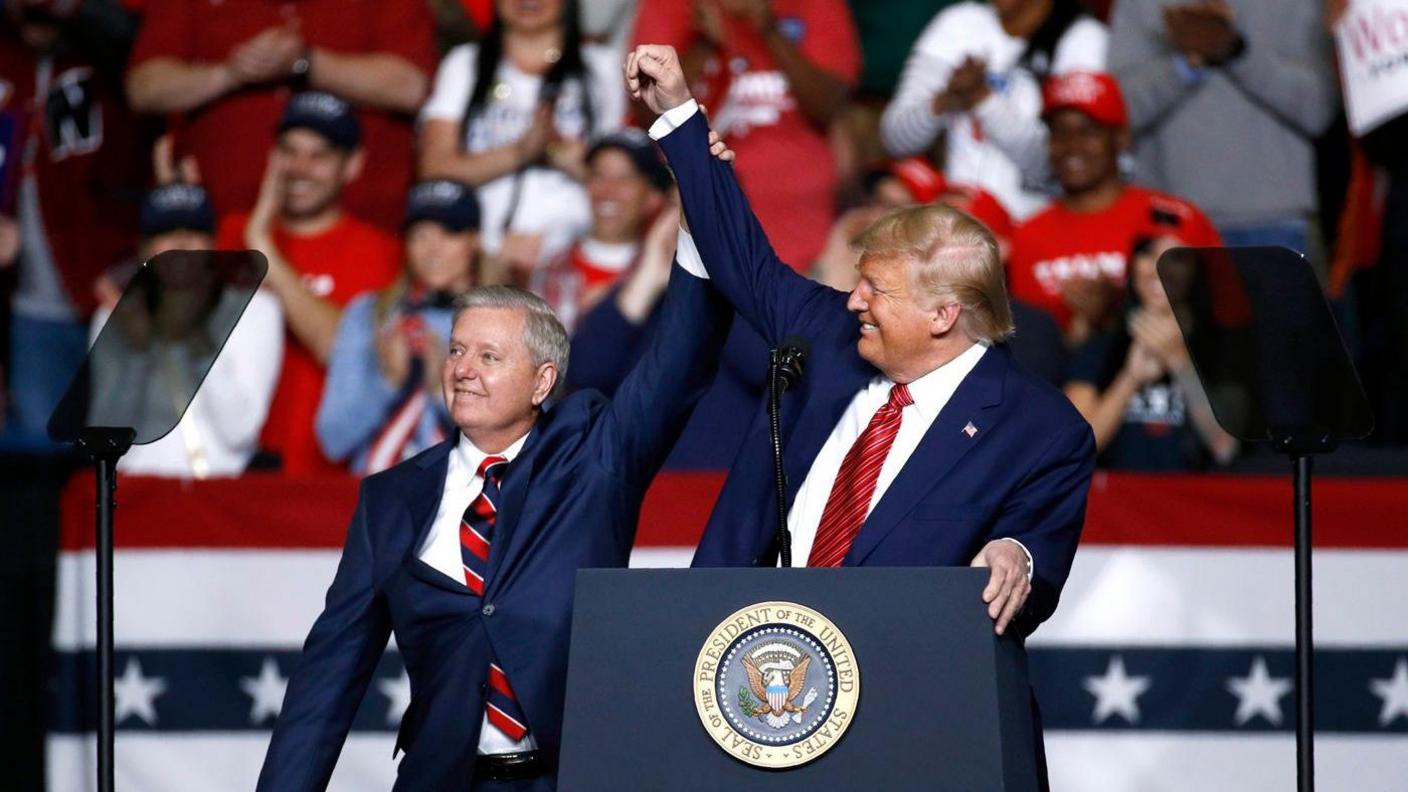
Graham’s 23‑year Senate career mirrored the stormy trajectory of the Republican Party during the Trump era. Early on, he voiced criticism of Trump’s rhetoric, labeling him a “race‑bugging, xenophobic, religious bigot”. But as Trump consolidated control over the party, Graham pivoted to become a sworn ally, defending the president’s policies and voting to acquit him in the Senate’s impeachment trial.
The former senator’s political adaptability is highlighted by his shifting stance on key issues: from hawkish foreign policy and support for Israel to an active role in confirming Brett Kavanaugh and endorsing Trump’s Cabinet picks.
He remained a friend to Democratic colleagues, evidenced by the surprise condolences from figures such as Adam Schiff and Elizabeth Warren after his death. The South Carolina GOP now faces the task of naming a replacement and building a campaign for the open Senate seat in a climate where Trump’s influence is both strong and contested.
Graham’s legacy is that of a political survivor who navigated the turbulent shifts of an era that reshaped U.S. politics, leaving a complex record that will influence Republican strategy for years to come.