In brief
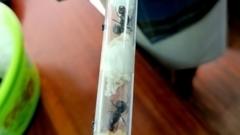
The Kenya Wildlife Service (KWS) has reported a significant breakthrough in combatting wildlife trafficking with the arrest of four suspects implicated in the smuggling of hundreds of rare ants. The insect haul, which includes giant African harvester ants marked at £170 ($220) each, was hidden in modified test tubes and syringes designed to sustain the ants for prolonged periods during transit. This incident, referred to as a "landmark case" by KWS, reveals a disturbing shift in wildlife trafficking from larger mammals to lesser-known, essential species.
The authorities are examining the extent of the illegal insect trafficking, which targets collectors in Europe and Asia who maintain these creatures as pets in specialized habitats known as formicariums. KWS notes that the four implicated individuals—a blend of nationalities including two Belgians, a Vietnamese, and a Kenyan—were apprehended through a coordinated intelligence-led operation targeting this emerging black market. KWS spokesperson Paul Udoto called the smuggling case the first instance of "bio-piracy" of this scale in Kenya, highlighting a growing trend in the demand for rare insect species worldwide. Pat Stanchev, a UK insect dealer, emphasized the appeal of the giant African harvester ant for pet enthusiasts, despite acknowledging the risks of illegally importing these species. Enforcement of regulations is crucial as Kenya seeks to uphold international biodiversity treaties that protect these insects from exploitation. The suspects are scheduled for sentencing on Tuesday, with KWS affirming that this prosecution underlines the nation’s commitment to curtail unconventional wildlife crimes. The increased trafficking of insects underscores the need for ongoing vigilance against evolving patterns in wildlife crime.