In brief
As the Trump administration escalates its war against higher education in America, countries such as Canada and European nations are seizing the opportunity to attract top U.S. scientists. This shift may bolster global academia and potentially favor nations like China, as American institutions face unprecedented pressures.
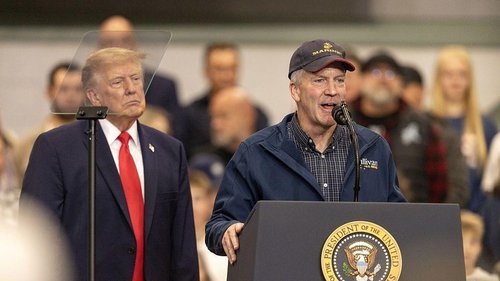
In a rapidly changing academic landscape, American higher education is experiencing significant upheaval due to political tensions, particularly under the Trump administration. This week, I engaged with colleagues worldwide to explore the far-reaching consequences of these developments, which have turned universities into targets of criticism, particularly from right-wing populists.Many Americans perceive universities as overly liberal and elitist, sentiments that have been echoed in polling data. However, the clashes between Trump and institutions like Harvard signify more than just superficial debates; they reflect a deeper effort by the administration to exert control over nearly 2,600 American universities. This pressure is impacting students, professors, and researchers alike, jeopardizing the historical dominance of American science on the global stage.The ripple effects of this strife are being felt across the Atlantic. European nations are increasingly positioning themselves as favorable destinations for American scientists, promising them “scientific refuge.” Canada, in particular, has welcomed several esteemed American academics, including prominent Yale professors specializing in authoritarianism and fascism. The Australian Strategic Institute has labeled this moment as a “once-in-a-century brain gain opportunity.”Historically, the U.S. was perceived as a bastion of scientific liberation and democratic values, drawing talent from those fleeing oppressive regimes. Today, however, as American universities face unprecedented challenges, nations like China are actively reaping the benefits. China's universities have long sought to attract world-class talent, and recent developments suggest that American policies may inadvertently aid their efforts. The surge in African students learning Mandarin, with twice as many studying in China compared to the U.S., highlights this shifting landscape.As political battles over higher education continue, it remains to be seen how this will reshape the future of academia globally and what role the U.S. will play in fostering innovation and intellectual growth.