
In brief
The Nigerian government has begun administering the R21/Matrix-M malaria vaccine, the second approved by the WHO, targeting children aged five to 15 months in response to alarming malaria death rates. The rollout commenced in Bayelsa and Kebbi states, with plans to extend nationwide. This initiative is expected to drastically reduce malaria’s impact alongside established preventive measures.
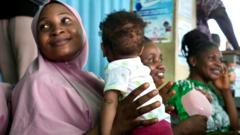
Nigeria has officially launched its vaccination campaign against malaria, marking a significant milestone in addressing the disease that claims the most lives globally. As the country reports more malaria deaths than anywhere else, the roll-out of the R21/Matrix-M vaccine targets children aged five to 15 months. This vaccine, approved by the World Health Organization (WHO), is part of a broader strategy to combat a disease responsible for nearly a third of global malaria fatalities each year.The initial phase of the vaccination drive began in the critically affected Bayelsa and Kebbi states, with plans for a nationwide expansion by next year. Health officials emphasize that while the R21/Matrix-M vaccine demonstrates a 75% efficacy rate, it should complement existing malaria preventive measures, including mosquito nets and insecticide usage.At the opening ceremony in Bayelsa, parent Happiness Idia-Wilson celebrated her 11-month-old son's vaccination. "I will encourage other mothers to get their children vaccinated," she said, highlighting the community's commitment to improving child health outcomes.The move to introduce this vaccine aligns with alarming statistics from 2022, indicating that Nigeria was responsible for 27% of global malaria cases and 31% of malaria-related deaths, predominantly impacting children under five and pregnant women. Dr. Walter Mulombo, the WHO representative in Nigeria, expressed confidence that the vaccination, when combined with other preventative strategies, could significantly reduce malaria's burden and pave the way toward achieving a malaria-free status in Africa.Malaria's financial toll on the nation is also immense, costing approximately $1.1 billion annually in lost productivity and health expenditures. The R21/Matrix-M, developed by the Jenner Institute at Oxford University, requires three doses administered four weeks apart and a booster dose after one year.Previously, countries like Ivory Coast and the Democratic Republic of Congo started using this vaccine, while Ghana, Kenya, and Malawi trialed another vaccine, RTS,S. However, Nigeria was excluded from the initial roll-out of RTS,S by the WHO across 12 African nations. The implementation of R21/Matrix-M signifies Nigeria's urgent commitment to tackling one of its most severe public health challenges.
