In brief
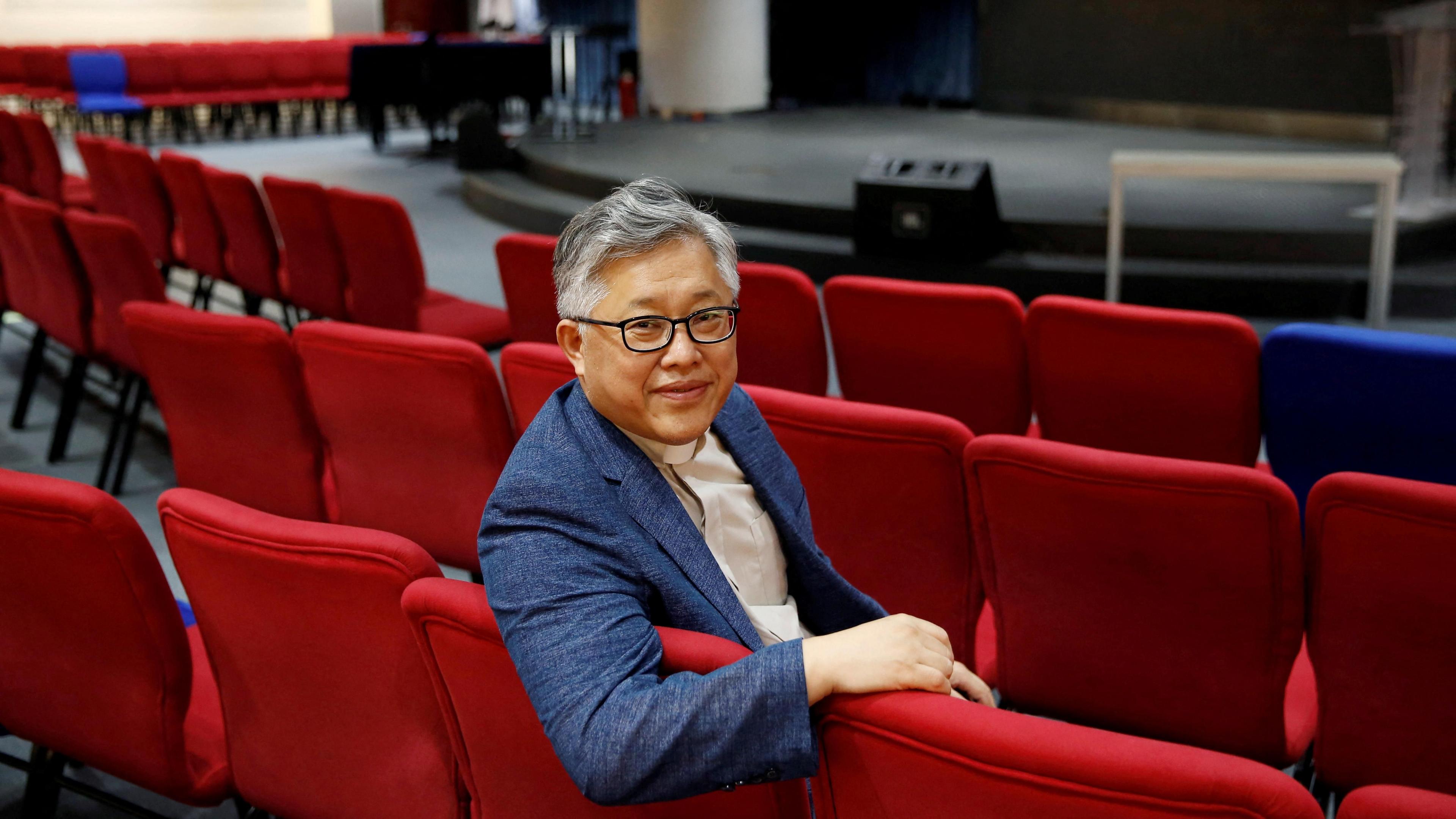
Jin Mingri, the founder of the Zion Church, has emerged free from a Chinese prison following a series of overnight raids that spanned 40 cities. The release comes less than two months after former US president Donald Trump publicly urged Chinese leader Xi Jinping to release the pastor during a May state visit. Jin’s family cited a “miracle” and expressed gratitude towards the US and China for the change in fortunes. The incident echoes broader concerns about religious persecution in China and highlights international pressure on Chinese authorities to relax punitive crackdowns.
Jin Mingri, a key figure in China’s underground Christian movement, has been freed from prison after a period of strict government raids. The release happened less than two months after former US president Donald Trump publicly asked Chinese leader Xi Jinping to intervene during a May state visit. Jin’s release follows a series of crackdowns that began in October 2025, when over 30 church leaders were detained across the country.
The Zion Church, founded in 2007 with only twenty people, grew to a network of about 10,000 believers across 40 cities. Officially banned in 2018 after refusing to install security cameras, the church faced ongoing investigations and closures of many branch congregations. Chinese authorities maintain tight control over religious activity, promoting atheism while monitoring unregistered churches.
Jin’s family thanked supporters in a statement, describing the release as a miracle and expressing overwhelming joy. They also acknowledged that the outcome could not have happened without direct protest from the US administration and the Chinese president. The family hopes this signals a positive shift for faith communities in China and for US‑China relations.
China‑based rights group ChinaAid confirmed Jin’s arrival in Los Angeles soon after his release. Its founder Bob Fu welcomed the pastor’s freedom, noting that many other imprisoned Christian practitioners, including eight from the Zion Church, remain behind bars.
Western lawmakers, represented by the Inter‑Parliamentary Alliance on China, celebrated the development as an encouraging sign of improved religious tolerance. The alliance consisted of dozens of UK MPs and other legislators.
Trump’s remarks about Jin and Hong Kong media tycoon Jimmy Lai drew international attention to China’s treatment of dissidents and religious minorities in the post‑national‑security‑law era. The arrest of Jimmy Lai earlier this year added to the growing list of high‑profile detentions.
The story of Jin Mingri’s arrest and release sheds light on the broader crackdown on Christianity in China, exposing ongoing governmental pressure on faith leaders and the ongoing risks faced by those who choose to practice their religion outside state-sanctioned frameworks. It remains uncertain how many remaining leaders will ultimately be freed, pending further diplomatic negotiations.