In brief
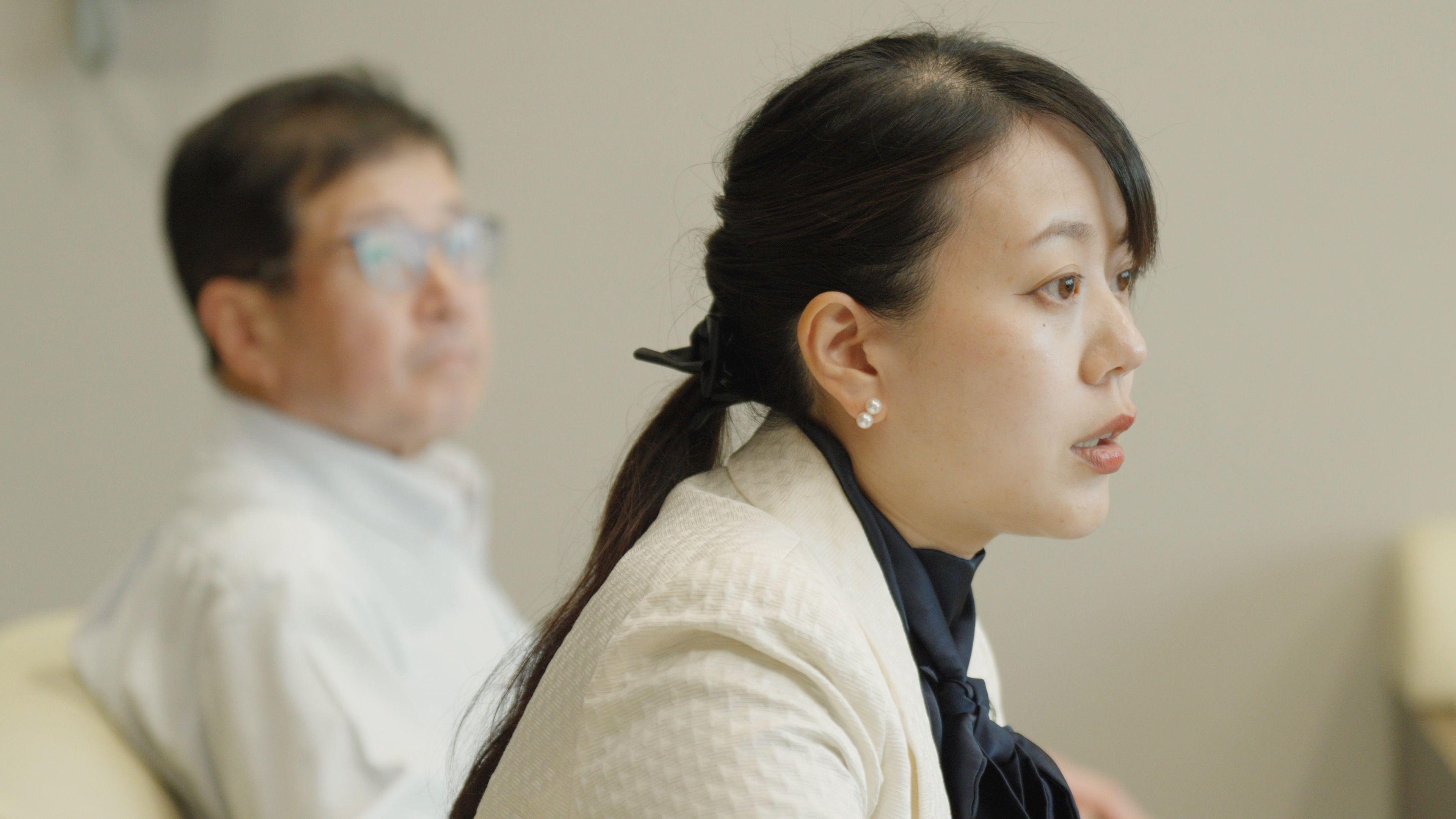
When 35‑year‑old Shoko Kawata of Yawata publicly announced a planned four‑month maternity leave, the country erupted on X and YouTube. Officially, she is handing her duties to deputy Shigeto Nose, as Japan lacks a legal framework for elected officials to pause for childbirth. While supporters applaud the move as a step toward gender equality, critics question the feasibility of leaving a city on leave and demand stricter rules. Within a society that still grapples with low birth rates and gender‑gap rankings, Kawata’s case may reshape how local governments accommodate parents.
A Break in the Rules
Shoko Kawata, Yawata’s mayor and the country’s youngest female city leader, announced that she will be on maternity leave for four months, from two months before to two months after a due date in mid‑September. No statutory law allows local officials to temporarily step down for childbirth, so she is delegating her mayoral responsibilities to deputy Shigeto Nose, the only formal way to manage the pause.
The decision sparked a wild surge of reactions online. A flurry of messages on X and YouTube reflected a split stance, from empathy for the challenges of balancing a baby with public office to accusations that a mayor should not abandon her duties. Critics argued the pause was irresponsible, while proponents said Kawata was setting a pioneering example for women in politics.
Support From the Community
Within the city hall, 62‑year‑old Nose met with Kawata and said he would see to the continuity of city functions during her absence, including remote meetings every week. She has expressed confidence that her supporters will help her juggle family and work.
Kawata also highlighted that her decision may alter societal perceptions about women who choose motherhood while holding high‑profile jobs. She says she hopes future generations will see that public service and family are not mutually exclusive.
Broader Context
Japan’s pledge for gender equality is challenged by low birth rates, limited maternity pause options for officials, and an overall low ranking on the World Economic Forum gender‑gap index. While statutory maternity directives exist for most employees, no guidance covers elected officials, making Kawata’s case historic and controversial.
Her example could push local governments to establish clearer rules for parental leave, reducing the friction between public duty and private life. In this evolving debate, Kawata stands as a symbol of progress and the obstacles that still accompany women in leadership roles.