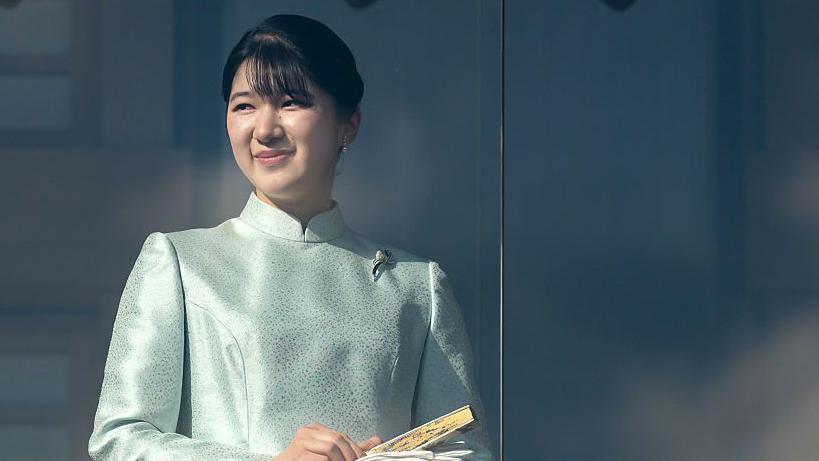
Japan’s parliament has approved an amendment to the Imperial House Law that eases pre‑existing restrictions on succession. The new bill will let the emperor’s family adopt male relatives over 15 years old and will allow women to retain their princess title after marriage outside the royal house.
Despite these changes, a woman is still barred from becoming emperor – a constraint that remains a point of contention amid growing public support for a female monarch. Princess Aiko, the only daughter of Emperor Naruhito, remains ineligible to succeed his throne.
The legislation follows a long‑standing shortage of male heirs; the current line ends with Prince Hisahito, 19, whose lack of a male son could terminate the imperial succession. By re‑introducing the possibility of adopting male members from the eleven former imperial branches, the bill gives the house a wider pool of candidates.
Political leaders such as Prime Minister Sanae Takaichi advocate for male‑only succession to preserve dynastic legitimacy, while polls show 70‑83 % of respondents favouring a female emperor. The law will take effect after the final legal procedures.