In brief
Japan’s upper house passed a bill that allows adoption of distant male relatives over 15 and lets women retain royal status after marrying commoners, yet female emperors remain barred. This marks the first major change to the Imperial House Law since 1949 and responds to the shrinking line of succession that could end if Prince Hisahito has no male child. Public polls show growing support for a female monarch, but conservative leaders defend the male‑only rule as essential to legitimacy.
Japan’s parliament has approved a bill that relaxes the imperial succession rules, aimed at addressing the shrinking imperial family and the risk of the line ending if Prince Hisahito has no male heir.
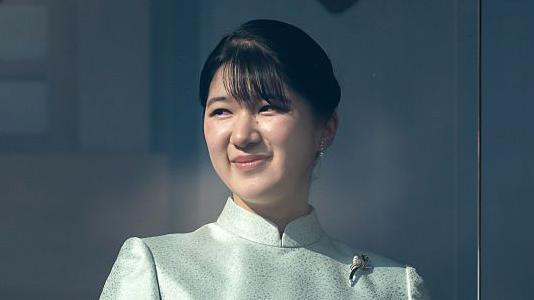
The upper house passed the legislation on Friday, allowing adoption of distant male relatives over 15 and letting female members retain their royal status after marrying outside the family. However, the ban on female emperors remains unchanged, keeping Princess Aiko, the only child of the current emperor, ineligible for succession.
The change is the first amendment to the Imperial House Law in more than seventy years, opening an avenue for male descendants from former imperial branches to re-enter the line. The current heir‑in‑line is 60‑year‑old Fumihito, the emperor’s younger brother, followed by his 19‑year‑old son, Prince Hisahito. Without a male heir from Prince Hisahito, the Japanese monarchy could die out.
Public opinion largely favours a female monarch, with polls showing over 70 % support for a female emperor, yet conservative politicians argue the male‑only rule is vital to imperial legitimacy. The bill still faces final legal steps before the new rules take effect.