In brief
Following a ceasefire agreement between the US and Iran, Israel has conducted air strikes in southern Lebanon, targeting areas such as Tyre and Nabatieh. Israeli Prime Minister Benjamin Netanyahu denies that the ceasefire applies to Lebanon, where over 1,500 people have died, and more than 1.2 million have been displaced due to ongoing hostilities. The war, sparked by Hezbollah's attacks in retaliation for the assassination of an Iranian leader, raises concerns about a prolonged Israeli military presence in Lebanon and the humanitarian crisis unfolding there.
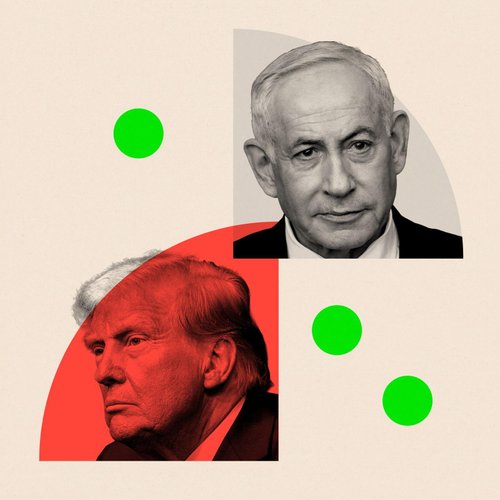
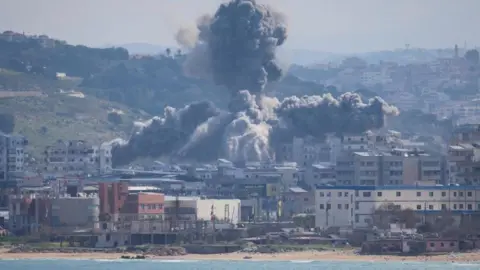
The Israeli military has carried out a wave of air strikes in southern Lebanon on Wednesday morning, indicating that the recently announced US-Iran ceasefire deal does not extend to Lebanon, where Israel is actively engaged in conflict with the Iranian-backed group Hezbollah. Air strikes targeted the Tyre and Nabatieh areas just hours after the ceasefire was announced.Israeli Prime Minister Benjamin Netanyahu has denied assertions made by Pakistan, which helped mediate the ceasefire, that it encompasses the conflict in Lebanon. The ongoing violence has taken a devastating toll, with more than 1,500 reported casualties, including 130 children. Additionally, the conflict has displaced over 1.2 million people—approximately one in five of the Lebanese population, with many seeking refuge in areas dominated by Hezbollah.Israeli forces are reportedly attempting to establish a buffer zone to dismantle Hezbollah's infrastructure, raising concerns about a potential long-term military occupation. Local villages have been ravaged as military operations continue despite rising calls for peace.There has been no immediate official reaction from Lebanon or Hezbollah concerning the ceasefire.The escalation of conflict in Lebanon has its roots in a series of retaliatory attacks, ignited by Hezbollah's launch of rockets into Israel in retaliation for the assassination of Iranian Supreme Leader Ayatollah Ali Khamenei. This was compounded by ongoing Israeli military actions against Lebanon.Despite the original intentions to pursue a ceasefire, Israeli officials have indicated that they would continue military operations in Lebanon independently of any agreements made regarding Iran. Recent military assessments suggest Israel may not wish to advance further in their invasion, acknowledging the improbability of disarming Hezbollah through military means.The humanitarian implications of the ongoing conflict have resulted in a crisis, with makeshift shelters struggling to accommodate the displaced, leading to increasing sectarian tensions. The government's plan to disarm Hezbollah following the 2024 ceasefire agreement has yet to be discussed, as Hezbollah continues to reject discussions surrounding its weapons.President Joseph Aoun has proposed the possibility of negotiating directly with Israel, amidst the continued violence, yet Israel has largely ignored this overture thus far.