In brief
Iran deployed multiple ballistic missiles targeting U.S. forces in a surprise attack, which were intercepted by U.S. Central Command. In response, U.S. and Saudi forces struck Iranian‑aligned terrorist logistics hubs in eastern Iraq, citing drone attacks over the past 72 hours. The clash ended a brief cease‑fire aimed at reopening talks. Saudi forces also destroyed drones aimed at oil facilities, alleging Iranian militia involvement. Amid ongoing negotiations, U.S. President Trump and Israeli Prime Minister Netanyahu met in Washington amid escalating tensions.
Iran fires ballistic missiles at U.S. naval forces, ending a period of relative calm in the region.
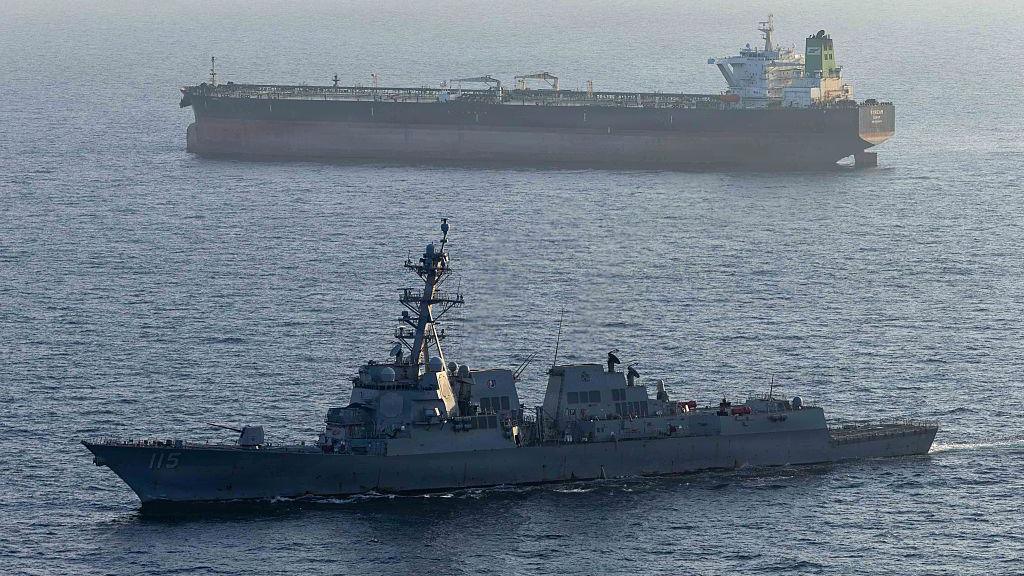
On Tuesday, Tehran unleashed a volley of missiles in a planned surprise assault on a U.S. fleet stationed in the Arabian Sea. Central Command officials confirmed all shots were intercepted, though the precise targets were not disclosed.
Following the attack, U.S. and Saudi Arabian units launched coordinated strikes on facilities operated by Iranian‑aligned militants in eastern Iraq, citing a buildup of drone activity over the previous three days.
Saudi air forces reported that drone threats to oil infrastructure were neutralized, claiming the roving targets originated from Iraqi militia groups with Iranian support.
The renewed hostilities snapped a brief cease‑fire that had been designed to bring negotiators to the table over the contested control of the Strait of Hormuz.
Iran has yet to issue a statement regarding the incident, while U.S. commanders warned that further Iranian‑affiliated attacks would provoke additional response.
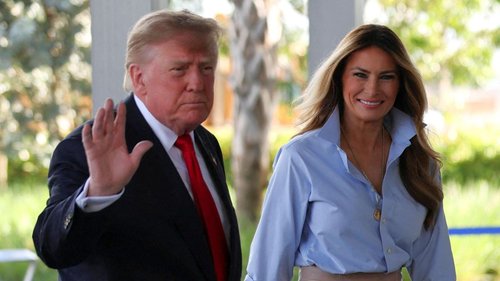
In Washington, U.S. President Trump and Israeli Prime Minister Benjamin Netanyahu held a brief meeting, with national security adviser portraying the exchange as a chance to de‑escalate.
Over the past month, more than 600 U.S. service members have sustained injuries linked to operations against Iranian forces, according to Pentagon reports.