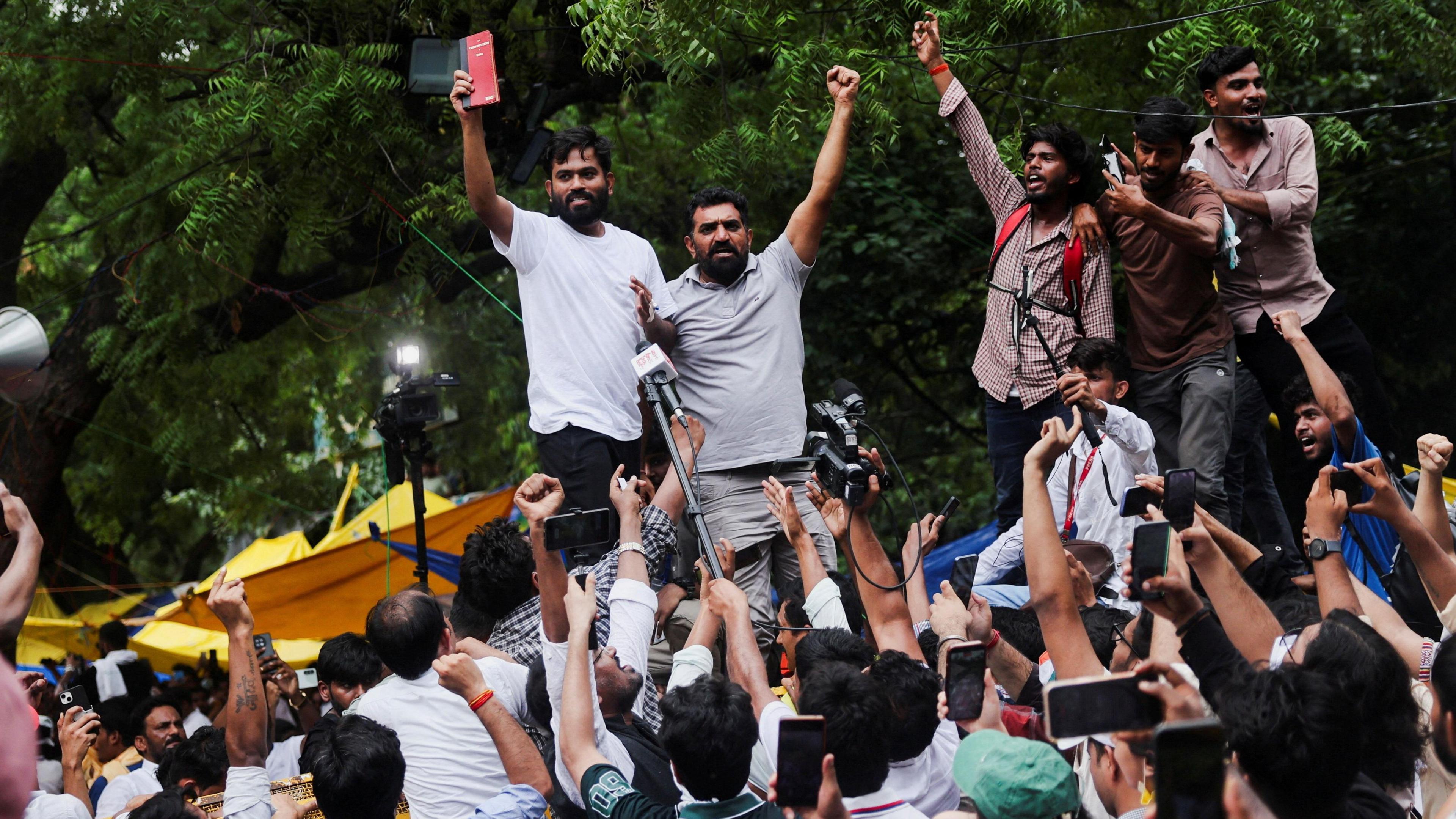
For five weeks, national park lawns in the heart of Delhi served as a makeshift parliament for the Cockroach Janta Party, a satirical movement that grew out of a viral meme and became the loudest outcry against Narendra Modi’s government. The five‑minute sit‑in, which demanded the resignation of Education Minister Dharmendra Pradhan, drew tens of thousands each day, culminating in a week‑long crackdown that left dozens dead and more arrested.
Hours after Pradhan posted a resignation letter in Hindi on X, the protest ended. The party’s founder, Abhijeet Dipke, declared the movement a win for democracy, joined by his followers in jubilant chants and sweets. "We have done it," he shouted from the improvised stage, as the crowd bowed around the flag in Delhi’s most historic protest venue.
The coalition’s popularity saw it transcend its mock‑satire roots; with 26 million Instagram followers, the movement demanded reforms in the education system and stricter reporting on exam paper leaks. The protest’s climax was intensified by the prolonged sit‑in of Sonam Wangchuk, a reformer who had fasted for a week after police removed him from the site.
Police used batons, wooden sticks, and tear gas on protestors, and at least 300 were taken to hospital while 70 were later released on bail. The incident has forced Prime Minister Modi to issue a statement on fast‑track courts and draft a new law to curb paper leaks.
Despite the resignation, Dipke declared the fight far from over, promising continued pressure for any student who died in a subsequent exam cancellation. The CJP maintains that its motto—"Remember, do not mess with the cockroach"—remains a rallying cry against perceived injustice.
This episode signals a significant blow to Modi’s hard‑to‑damage political brand. Since 2014, the BJP has repeatedly suppressed dissent, but the CJP’s success shows that even a satirical meme‑based movement can shape national policy when united by widespread frustration over education and employment opportunities.