
In brief
As UK trade relations potentially warm up with the US, both sides face significant challenges that could impact the realities of any agreement.
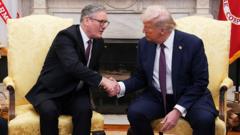
Prime Minister Sir Keir Starmer recently met with President Donald Trump, where US Vice-President JD Vance indicated a promising outlook for a trade agreement with the UK. Vance observed that the UK might have a better chance at securing a deal compared to other European nations, largely due to the perceived reciprocal nature of their relationship. In response, UK business and trade minister Sarah Jones emphasized the ongoing discussions about commercial ties, while sidestepping questions regarding a specific timeline, proclaiming, “Nobody wants tariffs. No one wants a tariff war." However, the necessity of defining what a "deal" concretely entails raises eyebrows. The UK delegation's choice of terminology following Starmer's visit to the White House—referring to an "economic deal" rather than a broad free trade agreement covering nearly all goods—illustrates a pivotal point. During Trump's first term, trade talks were promising until contentious subjects like healthcare pricing and agriculture standards caused stalling. This time, the dialogue seems directed towards collaborative ventures in technology and artificial intelligence, with aspirations to mitigate tariffs.Complicating the matter is the current 10% tax imposed by the US on UK imports, described as "reciprocal tariffs." Aside from the contentious issue of tariff negotiations, the trade landscape appears manageable, given that the UK has a positive trade balance with the US. However, the US administration has indicated a reluctance to budge on this baseline tariff. Negotiating exceptions could lead to repercussions from other trade partners, especially since many nations currently deal with steeper tariffs. Furthermore, the UK is subject to 25% tariffs on automotive imports, stirring frustration as it faces unique challenges unlike other countries previously affected.In conjunction with these discussions, negotiations for a post-Brexit reset with the EU loom on the horizon. As both the UK and EU seek to streamline export rules, there is speculation about US interest possibly intertwining with these discussions. Additionally, the US has expressed intent to forge alliances aimed at containing Chinese market influences, potentially pressuring the UK into specific compliance measures that could contradict the post-Brexit vision of an interconnected economy with varied market access.Intriguingly, the current volatility within US financial markets shifts the game's dynamics, suggesting that the US might be more inclined to finalize deals with its closest allies now than before. While UK leadership may be hesitant to leverage this newfound bargaining power, the US, facing its own pressures, may not afford to let negotiations falter or lose momentum. This evolving scenario reflects a complex tapestry of trade relations that is as opportunistic as it is fraught with challenges.

