
In brief
Analysts are concerned about the long-term effects on international supply chains as both nations remain entrenched in their positions.
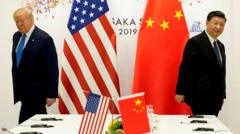
The trade war between the United States and China continues to heat up, with neither President Trump nor President Xi Jinping showing any willingness to compromise on tariffs. Recent developments indicate that American companies aiming to access the lucrative Chinese market have faced severe challenges, particularly due to a massive 34% price hike on all US products entering China. This increase, on top of existing tariffs of 10 to 15% imposed previously, threatens to eliminate many US agricultural goods from the Chinese market entirely, leaving producers apprehensive about their future. For the Chinese government, the pressure to source alternative suppliers appears to be manageable, as it looks to diversify imports of chicken, pork, and sorghum while simultaneously impacting critical US industries in the heartland of America. Analysts worldwide express concern about the extensive interdependence of global supply chains, worried that disruptions caused by escalating tariffs may result in widespread economic fallout.In a recent development, Beijing unveiled its "resolute countermeasures" in response to Trump's latest tariff impositions, revealing the measures in a carefully timed statement on a Friday evening local time. This timing raises speculations about the Chinese government's intent, suggesting it may have aimed to minimize domestic panic while also potentially signaling a retreat from negotiations. Liability for both nations is on full display, as President Xi appeared undeterred by the announcement, alongside other Politburo members engaged in tree planting—a symbolic act representing calm defiance against US policy. Although paths to a resolution remain, current sentiments lean towards heightened rhetoric rather than constructive dialogue. Meanwhile, should China pursue greater trade deals with non-US allies, it risks not only further marginalizing American businesses but also increasing prices for US consumers already grappling with tariff-induced inflation. As the trade conflict continues, the implications of a prolonged standoff between the world's two largest economies could reverberate throughout the globe, redefining economic landscapes.

