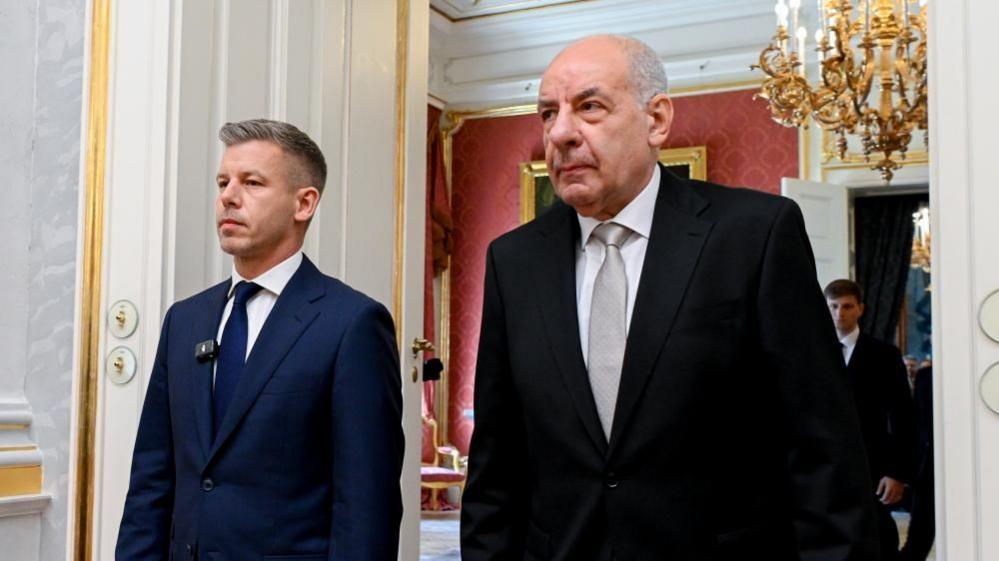
The Hungarian parliament has decided to strip President Tamás Sulyok of his office with a 17th constitutional amendment passed by a two‑thirds majority.
The amendment, drafted by the new Tisza‑led coalition, is part of a package of laws aimed at steering the country into a fresh constitutional framework over the next two to three years. It ends Sulyok’s term and also removes Constitutional Court judges over the age of 70.
It signals a dramatic break from the era that began in 2010 when Viktor Orbán’s Fidesz government rewrote the constitution to enshrine a “winner‑takes‑all” model, allowing the ruling party to install loyalists in key state roles.
Prime Minister Péter Magyar announced that the amendment would automatically suspend Sulyok should he refuse to sign it, and that a Constitutional Court referral would trigger impeachment proceedings against the president.
Opposition Fidesz lawmakers left the chamber in protest, arguing that the bill grants the government unchecked power to dismiss any public official. The move is seen by many as a strategic attempt to remove a figure perceived as an ally of the former regime.
Sulyok has five days to either sign the amendment or submit it to the Constitutional Court. Critics say that the Court could be pressured into a swift, favorable ruling, while supporters argue it could trigger a constitutional crisis if the president persists.
In the weeks following the parliamentary vote, Orbán has largely stayed outside Hungary, refusing to take his seat in the new legislature and attending international events instead. His party’s guard has fractured, with several senior members resigning or stepping back.
The new government’s decision underscores its commitment to dismantling the entrenched structures of the Orbán era. However, the legal and political ramifications of removing a sitting president remain a point of intense debate.