In brief
The Houthi movement, bolstered by Iranian support, has escalated its military actions, including missile launches towards Israel, raising concerns about threats to shipping in the Red Sea. These actions, coupled with Iran’s influence over strategic waterways, could pose significant risks to global trade and energy supplies, further destabilizing the already fragile economic climate.
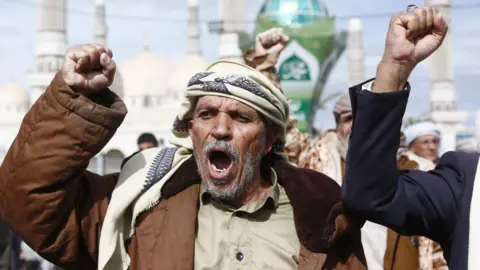
The Houthis held their fire for the first four weeks of the war, despite their affiliation with and backing from Iran. Now, the group, which continues to control the Yemeni capital, Sanaa, has launched missiles aimed at Israel, claiming they were targeting sensitive military sites. Although the Houthi threat to Israel is significantly less than that posed by Iran, their actions are concerning, particularly off the coast of Yemen.As they support Hamas following the escalation of conflict in Gaza on October 7, 2023, the Houthis have previously targeted shipping through the Bab al-Mandab Strait, putting a critical maritime route at risk. Should attacks resume, it could severely impact global trade. Furthermore, coupled with tensions surrounding Iran's control over the Strait of Hormuz, two major trade routes could potentially be compromised.In addition to threatening sea routes, the Houthis may also attack energy and military infrastructure in neighboring Gulf Arab states like Saudi Arabia and the UAE, as they have done in the past. Although they faced significant retaliatory strikes from the U.S. and Israel for such actions, the Houthis seem to have withstood this pressure.The looming question is how far they are willing to escalate their involvement. While prior attacks garnered domestic support, aligning actions with Iran could be more controversial. Any further military engagement by the Houthis may reignite internal strife in Yemen, which has shown relative calm after years of conflict. Intensification of their military actions could signify a new escalation in the ongoing war, dramatically affecting regional stability and the global economy.