
In brief
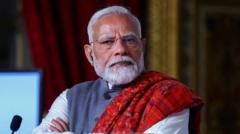
As Indian Prime Minister Narendra Modi prepares for his visit to the U.S., key topics for discussions with President Trump will include tariffs, trade relations, energy collaboration, and technological advancements, amidst a backdrop of strong personal rapport and strategic alignment against China.
When Indian Prime Minister Narendra Modi arrives in Washington this week for meetings with President Donald Trump, he can expect not only friendly gestures but also serious discussions on several critical issues. Over the years, the rapport between Modi and Trump has strengthened through high-profile events and public appearances, characterized by a shared commitment to countering China and enhancing the US-India strategic partnership.While the atmosphere may appear cordial, it is crucial to recognize the transactional nature of their discussions. Delhi is well aware of Trump’s negotiating style and aims to address various demands he may present, which include requests for reduced tariffs, the repatriation of undocumented Indian immigrants, and increased purchases of American oil.Signs of cooperation are already visible, as Modi's administration has signaled readiness to lower tariffs and facilitate the return of undocumented citizens. However, the U.S. trade deficit with India, which is approaching $46 billion, might prompt Trump to press for further tariff reductions. Alternatively, Modi may propose bilateral talks to negotiate an economic partnership agreement aimed at tariff reduction from both sides.In the context of energy collaboration, while Modi might advocate for increased American oil imports, he could simultaneously request U.S. investments in India’s nuclear energy sector. This would assist India in its ambition to achieve significant energy requirements through renewable sources by 2030.Technology cooperation is expected to feature prominently as well, particularly following the introduction of the Initiative on Critical and Emerging Technologies (iCET), aimed at streamlining bilateral tech relations. Modi may also emphasize the importance of the H-1B visa program, which has facilitated the entry of a significant number of Indian tech professionals to the U.S., while navigating potential domestic political backlash against such policies.Beyond trade and technology, discussions may encompass foreign policy challenges, including the situations in Ukraine and Gaza. Modi, maintaining a neutral stance on the Ukraine war, could find common ground with Trump on advocating for peace in the region.Additionally, the recent developments surrounding Iran and India’s participation in developing the Chabahar Port may arise, especially in light of the U.S. sanctions affecting commercial activities in the region.Ultimately, while the agenda is packed with complex issues, both leaders are likely to aim for a positive tone, seeking to reinforce the Indo-Pacific Quad alliance, a significant multilateral grouping designed to counterbalance Beijing's influence. With plans for India to host this year’s Quad meeting, Modi may motion for Trump’s attendance, fostering deeper bilateral ties that go beyond mere transactional exchanges.

