
In brief
As the conflict continues in Gaza, pregnant women face significant threats to their health and that of their babies, with shortages of food and medical supplies culminating in complications such as premature births and malnutrition. Medical personnel struggle to provide care under overwhelming circumstances, leaving many mothers in fear for their and their children's lives as they navigate an environment fraught with danger and deprivation.
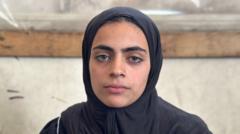
In Gaza, as a devastating conflict rages on, pregnant women and newborns find themselves grappling with escalating risks due to the severe conditions caused by the Israeli blockade and bombardment. Reports indicate that one in ten newborns is underweight or born prematurely due to acute food shortages. The ongoing humanitarian crisis has also led to an alarming rise in miscarriages, stillbirths, and congenital abnormalities among infants.Khans Younis resident Malak Brees, who is currently seven months pregnant, expresses her constant fears amidst the Israeli strikes and evacuation orders. "I’m worried about premature birth and the amniotic fluid levels necessary for my baby’s growth," she reveals, highlighting the emotional toll of the situation. With doctors attributing her reduced amniotic fluid to malnutrition, the uncertainty about her baby’s future weighs heavily on her.The situation has become even more perilous as mothers are forced to improvise safe delivery methods. The total blockade initiated on March 2 has left hospitals struggling with a lack of essential medical supplies like painkillers and hygiene items. Those fortunate enough to reach hospitals are often discharged mere hours after giving birth, sometimes without adequate care for complications that would warrant extended observation in normal circumstances.As public facilities face overwhelming patient loads, including a neonatal intensive care unit at Nasser hospital, many pregnant women are lacking critical prenatal care. Currently, an estimated 55,000 women in Gaza are unable to receive adequate medical support, resulting in increased anxiety about their unborn children.Dr. Ahmad al-Farra from Nasser Hospital described the psychological state of expecting mothers as tragic. He notes their awareness that their nutritional needs have not been met, leading to expectations of complications for their babies. This dire reality drives many to worry about the limited options for breastfeeding, especially given the ongoing scarcity of food.The heartbreaking stories of mothers like Aya al-Skafi resonate throughout the region. Aya recounted her struggle to provide nourishment for her four-month-old daughter, Jenan, who ultimately succumbed to malnutrition and dehydration when even essential formula could not be sourced. "I pleaded for help but was answered only by God," she sorrowfully recalled.As maternal health deteriorates, organizations are stepping in to aid nursing mothers. They emphasize the importance of breastfeeding, even for those struggling with their health. Yet, the community remains plagued with grief, as cases of pregnant women enduring bombings or losing their newborns in evolving crises multiply.The heartbreaking fate of families like Jomana Arafa's reinforces the harsh reality faced in Gaza. Jomana had just welcomed twin babies into the world, but tragedy struck just days later when an Israeli airstrike hit their shelter, killing them all. Such incidents reflect the deepening despair and sheer vulnerability that mothers and families confront in a time meant to celebrate new life.In Gaza, witnessing what once was joyous anticipation now feels transformed into an experience suffused with anxiety and fear. The hope that new lives bring is overshadowed by the overwhelming struggle for survival that has become the reality for many.

