In brief
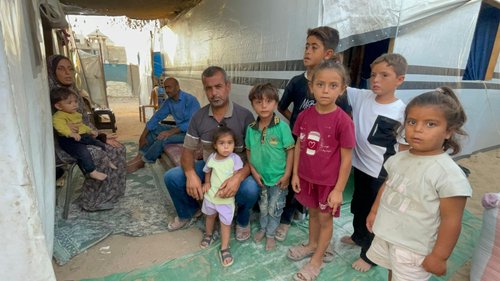
As the government shutdown continues, many Head Start centers are facing closures due to a lack of federal funding. Approximately 140 programs are affected, impacting over 65,000 children who rely on these vital educational services. The situation forces some parents to consider bringing their children to work, raising concerns over food security and child care.
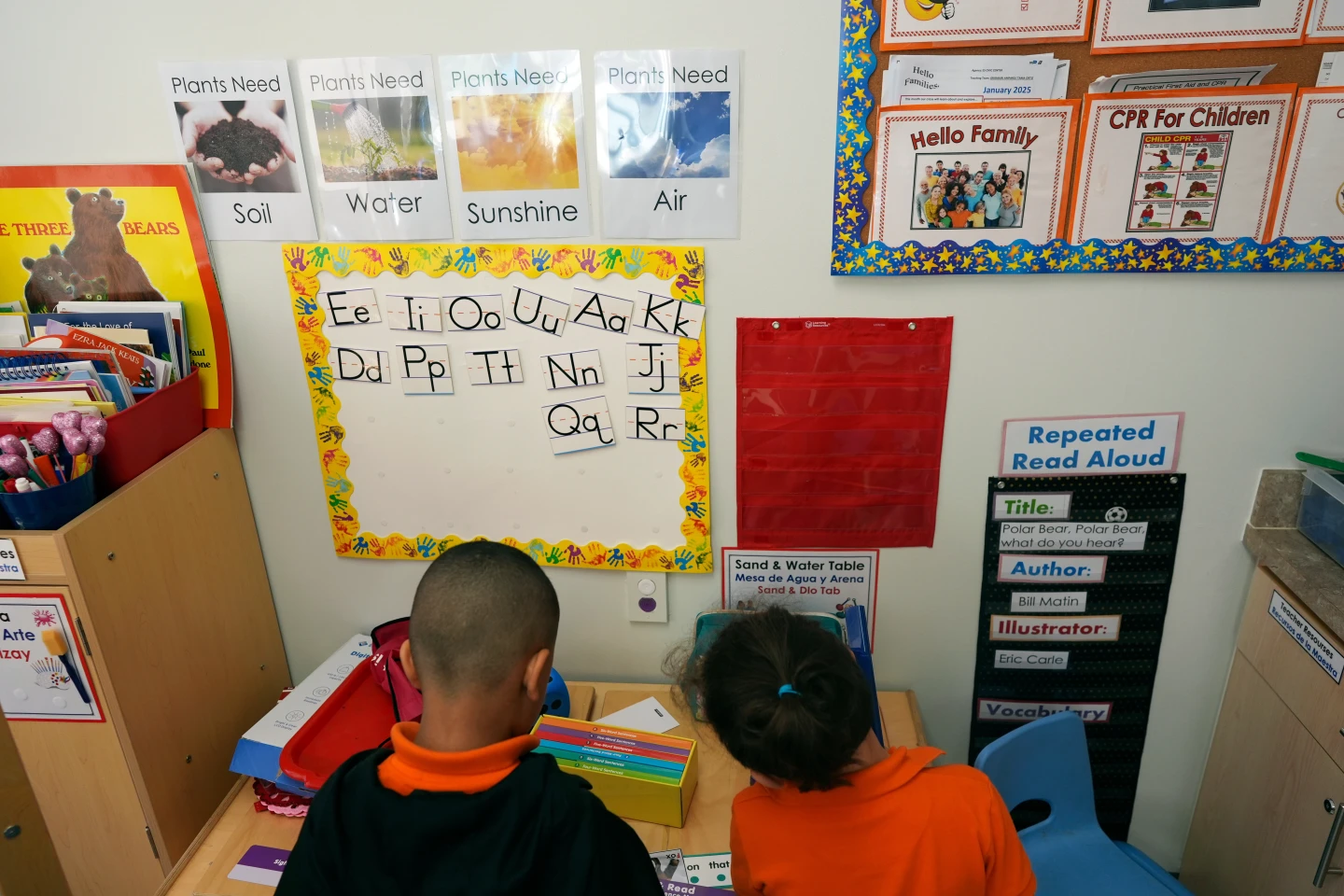
The government shutdown is prompting a series of closures of Head Start centers, leaving many working parents in a tough spot for child care and shutting out some of the country’s most vulnerable children from preschool education.
Dozens of centers are affected after missing federal grant payments that were expected on Nov. 1. While some programs say they may close indefinitely, others continue with emergency funding sourced from local governments and school districts. This shutdown puts Head Start students—many from low-income families, those who are homeless, or in foster care at risk—missing out on essential preschool services including two daily meals and critical developmental therapies.
Children love school, and the fact that they can’t go is breaking their hearts, said Sarah Sloan, who manages Head Start programs in Scioto County, Ohio, where staff had to inform families of imminent closures. It hampers our families’ ability to put food on the table and ensures their children’s safety during the day.
Currently, 140 programs have failed to receive their annual federal funding infusion, which has the capacity to assist around 65,000 preschoolers and expectant parents.
Additionally, among the centers closing are 24 Migrant and Seasonal Head Start facilities across five states designed to cater to the children of migrant workers, typically operating long hours to match parents’ work schedules.
Subsequently, children attending these programs in states such as Florida, Georgia, North Carolina, Alabama, and Oklahoma returned home with notices warning of potential closures, showing the significant impact this shutdown is having on their families.
Moreover, many families relying on Head Start also depend on the Supplemental Nutrition Assistance Program (SNAP), which is also running low on funds due to the shutdown. Despite federal judges recently ordering emergency funds be allocated to SNAP, the struggle persists for many Head Start families as they grapple with the implications of lost childcare and food assistance.
In Kansas City, for instance, Head Start teachers witness firsthand the harrowing effects the shutdown has on families. With a significant portion of their families relying on food assistance, centers are striving to support those struggling to find food, leading to emotional distress among parents.
Though some centers managed to secure funding to stay open temporarily, the future remains uncertain, with many programs warning they cannot sustain operations much longer without federal support. As the shutdown drags on, the impact on children and families continues to deepen.