In brief
Following a dramatic heist at the Louvre, museums across the globe, particularly in Washington D.C., are reassessing their security protocols to prevent similar incidents. Amid concerns about creating a fortress-like atmosphere, officials stress the importance of maintaining an inviting experience for visitors. The Louvre's security director acknowledged significant failures, prompting a wider discourse on the balance of security and accessibility within cultural institutions. A letter of support from 57 global museums emphasized that museums should remain open and accessible while also striving to enhance security measures.
The day after the stunning jewelry heist at the Louvre in Paris, officials from across Washington’s world-famous museums were already talking, assessing and planning how to bolster their own security.
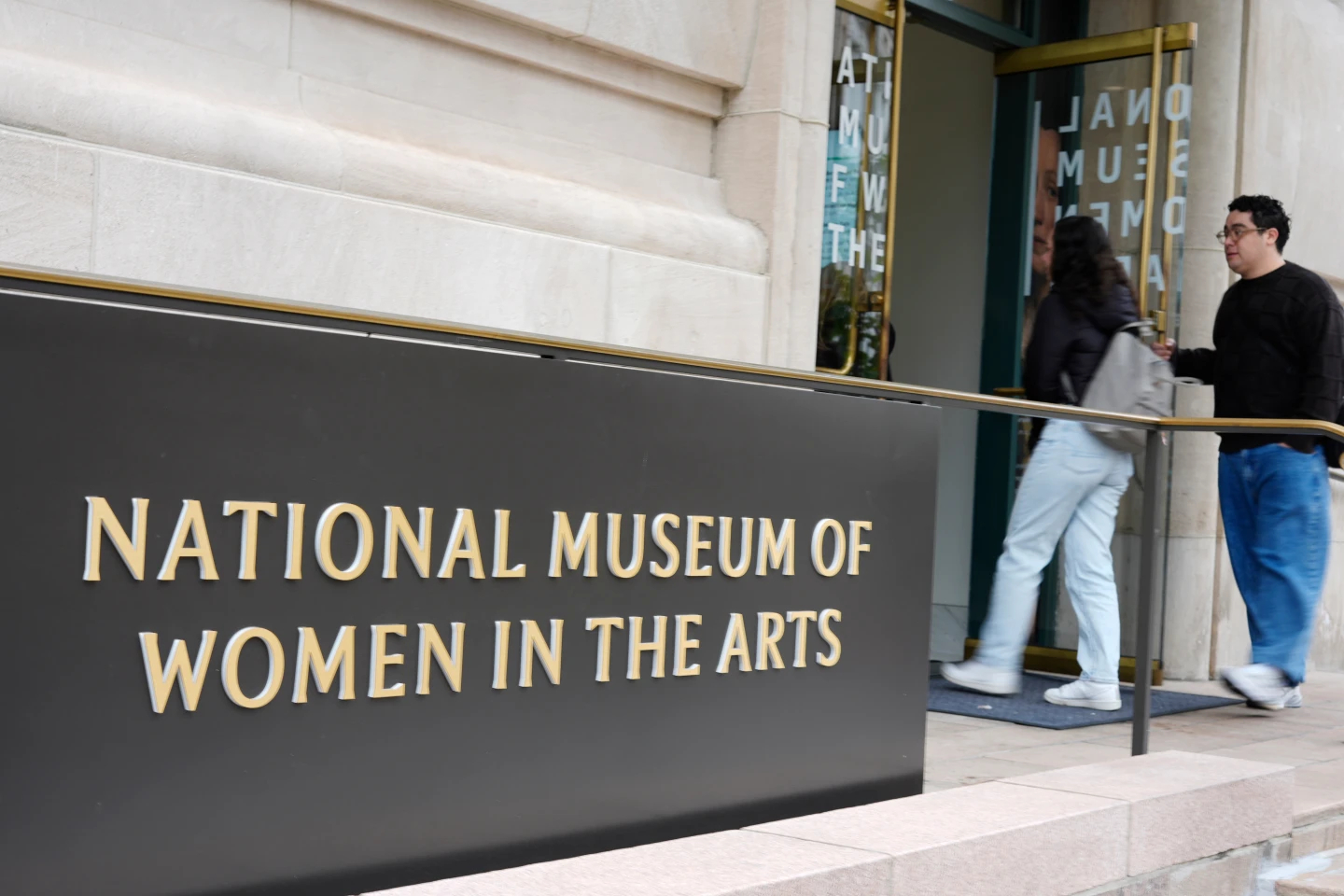
“We went over a review of the incident,” said Doug Beaver, security specialist at the National Museum of Women in the Arts, who said he participated in Zoom talks with nearby institutions including the Smithsonian and the National Gallery of Art. “Then we developed a game plan on that second day out, and started putting things in place on Days 3, 4 and 5.”
Similar conversations were of course happening at museums across the globe, as those tasked with securing art asked: “Could that happen here?” At the same time, many were acknowledging the inherent, even painful tension in their task: Museums are meant to help people engage with art — not to distance them from it.
“The biggest thing in museums is the visitor experience,” Beaver said. “We want visitors to come back. We don’t want them to feel as though they’re in a fortress or a restrictive environment.”
The Louvre, whose director, Laurence des Cars, has acknowledged “a terrible failure” of security measures, highlights the urgency of reform in security protocols.
A letter of support for the Louvre was signed by 57 museums all over the world, emphasizing, “Museums are not strongholds nor are they secret vaults.” The essence of museums, they stated, lies in their openness and accessibility.
However, French police noted significant security gaps, with Paris Police Chief Patrice Faure confirming that aging systems had left the museum's security vulnerable.
Museum professionals are grappling with balancing security with accessibility and enriching visitor experiences without compromising safety, as they seek to avoid creating a fortress-like atmosphere.