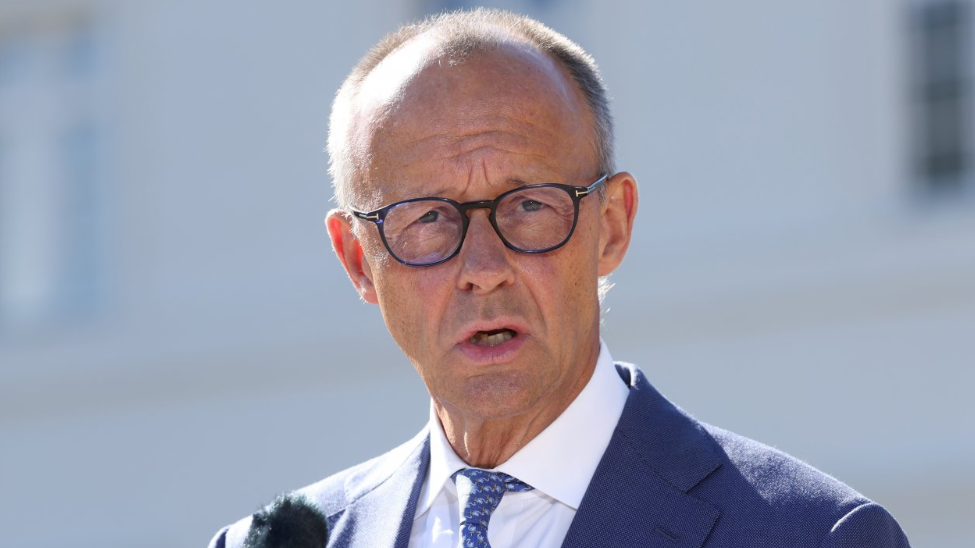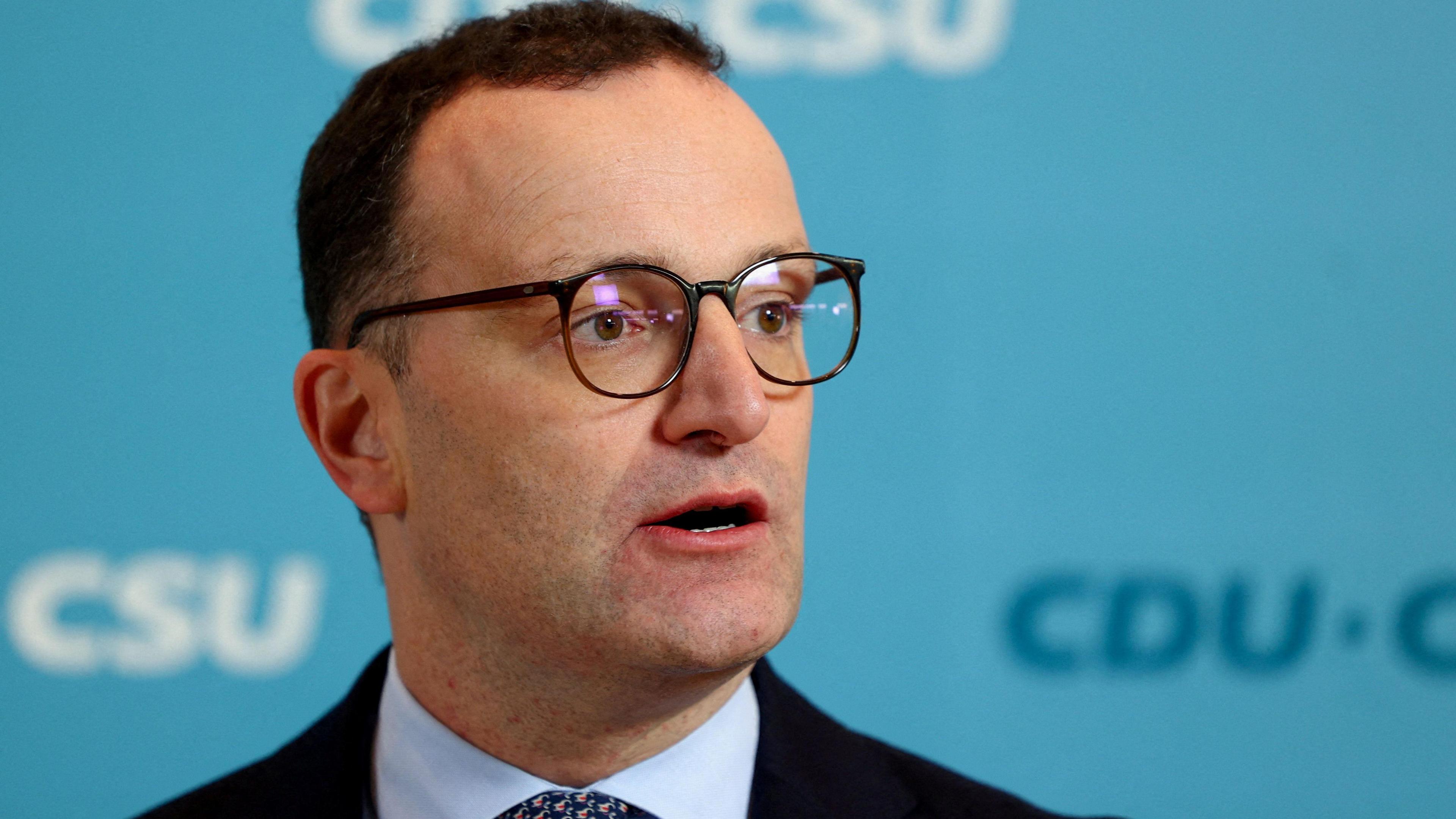
A controversial change to Germany’s sick‑leave policy has sparked debate, as the coalition government now requires employees to obtain a doctor’s certificate on the first day of illness.
The new rule, announced by Chancellor Friedrich Merz and his CDU‑SPD coalition, removes the previous provision that only demanded a medical certificate after a worker has been off‑work for more than three days.
Merz says “the number of sick days in Germany is too high” and argues the measure will curb the competitive disadvantage caused by long absences.
Medical associations, however, have slammed the proposal. The German Medical Association (KBV) called it “bordered on madness,” warning that the move could force thousands of patients into crowded doctor’s offices, while the Association of General Practitioners warned that even mild cases would fill waiting rooms.
The SPD’s vice‑chancellor Lars Klingbeil urged “workable solutions,” and Labour Minister Bärbel Bas said the ministry would examine whether the first‑day certificate requirement had any effect. She noted it was not her proposal.
CDU’s parliamentary group leader Jens Spahn defended the changes, citing Germany’s high sick‑leave rates of roughly 18 days per employee per year and stressing the need for employees to stay home when seriously ill.
The new rules are part of a broader reform agenda aimed at reviving Germany’s economy through tax, labour and pension changes, the coalition announced on Thursday.