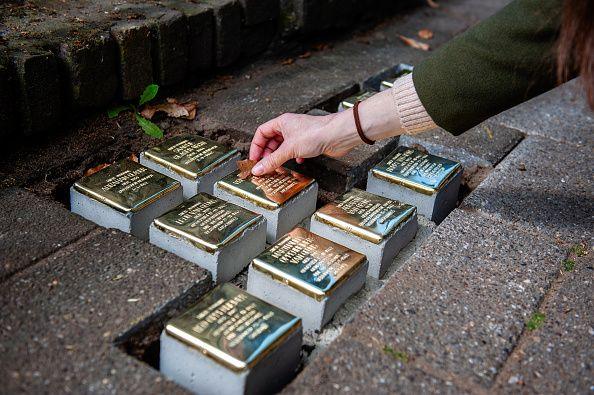
Heidenau, a small town north of Dresden in Saxony, has voted to ban Stolpersteine – brass plaques embedded in the pavement that honour Jews and other victims of the Nazi regime. The motion, backed by members of the CDU and the far‑right AfD, was adopted in a heated council session that attracted local media coverage.

Education minister Karin Prien called the ban a “scandal” in an interview with Bild, stating that removing memorials from public spaces to a cemetery prioritises death over life and renders Jewish people invisible once again. Similarly, Charlotte Knobloch, a Holocaust survivor and president of the Jewish Community in Munich, condemned the decision as a “transparent manoeuvre by extremists.”
The Stolpersteine project, initiated in the 1990s by artist Gunter Demnig, places small brass plaques outside the former homes of victims, inviting passers‑by to confront history daily. The plaques have been installed across Europe, including in Germany and Austria, funded largely by private donations.

The decision in Heidenau comes amid recent electoral successes for the AfD in eastern German states, where branches of the party are sometimes classified as right‑wing extremist by domestic intelligence. Critics argue that democratic parties should not support policies that attempt to conceal or diminish the memory of Nazi atrocities.
Opposition parties and civil society groups are calling for a nationwide review of how Holocaust remembrance is carried out in public spaces, urging that memory remains “decentralised” and integrated into everyday life rather than relegated to isolated cemetery sites.