In brief
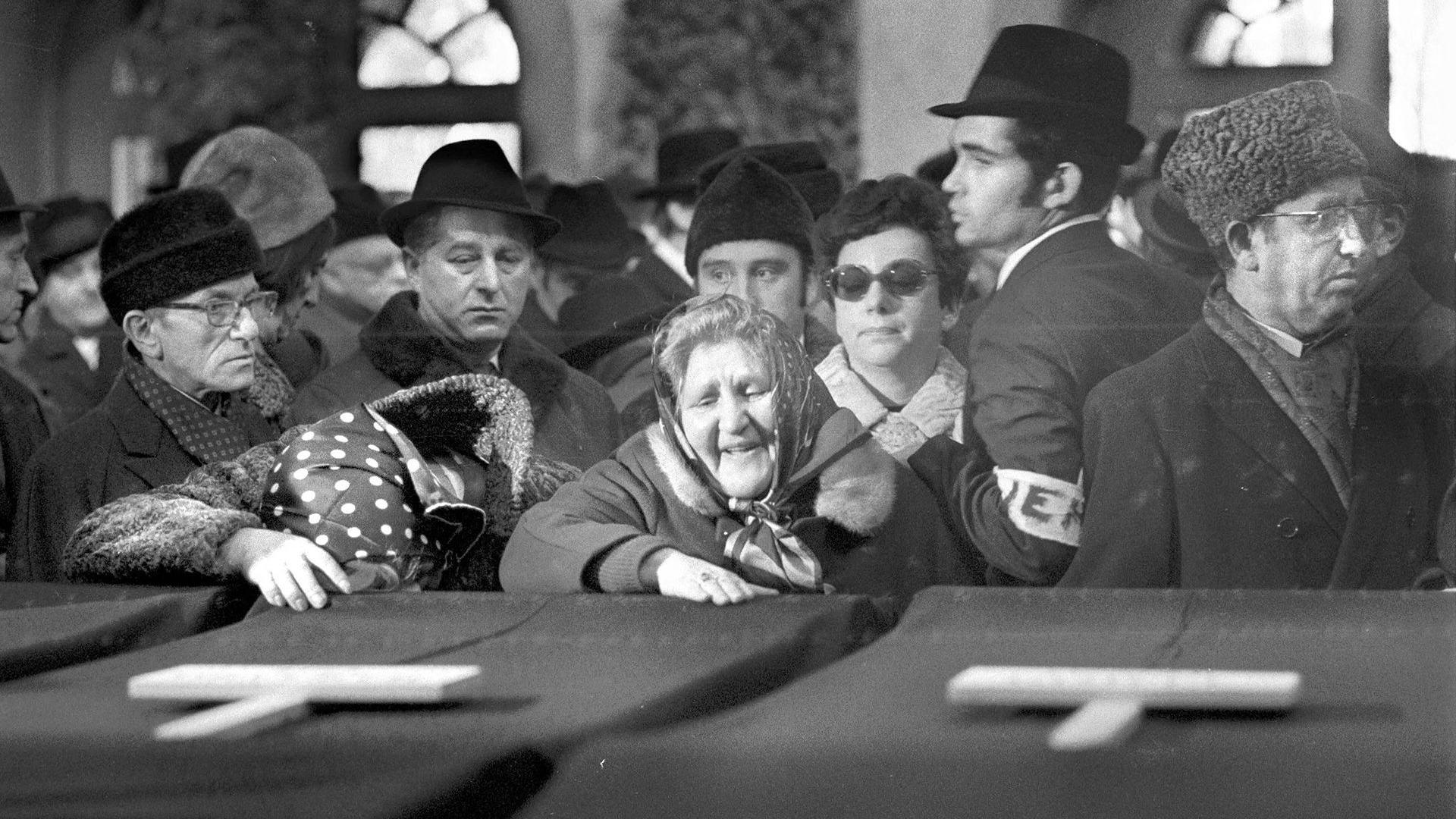
For more than fifty years, the 1970 blaze that killed seven Holocaust survivors in a Munich Jewish retirement home remained an unsolved tragedy. German prosecutors have now identified the attacker as a 25‑year‑old neo‑Nazi named Bernd V, who was already known for antisemitic views and a youthful record of vandalism. V was last seen pouring petrol into a wooden stairwell and igniting the building, a crime that was never formally charged until long after his 2020 death. The case underscores how modern forensic and witness testimony can finally close old, grim chapters of antisemitic violence in Germany.
German investigators finally confirm that a deceased neo‑Nazi was the perpetrator of the 1970 arson that killed seven Holocaust survivors and injured 15 others in a Munich Jewish retirement home.
The case, which had gone cold for decades, was reopened after a woman supplied credible information about a suspect named Bernd V, who died in 2020. Authorities described V as a 25‑year‑old lone extremist, already known for antisemitic speeches and juvenile vandalism.
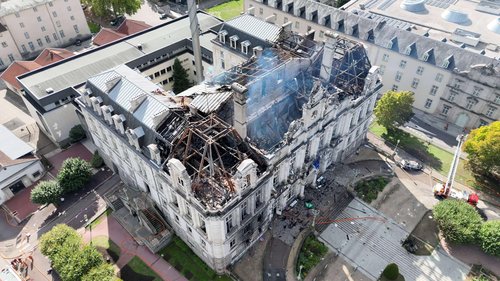
On 13 February 1970, around 20:40, V allegedly poured petrol into the wooden stairwell of the retirement home on Reichenbachstraße, then set the building ablaze. The fire spread rapidly, taking the lives of seven seniors aged between 59 and 71.
Survivors were rescued from the roof or by firefighters, yet four died in the stairwell and another leapt from a window. The investigation, which closed in 2017 for lack of evidence, has now been reopened and concluded that V was the sole culprit.
Witnesses recount V’s statements at the scene—“the Jews had everything” and he wanted to “set them on fire”—and describe his intense Hitler fixation and earlier prison cell confession. No credible evidence points to any accomplices.
Although V’s death precludes formal charges, German prosecutors say the presumption of innocence can still apply posthumously. The case highlights a historic police failure but also demonstrates how modern investigative techniques can finally deliver justice—even if delayed—for victims of antisemitic violence.