In brief
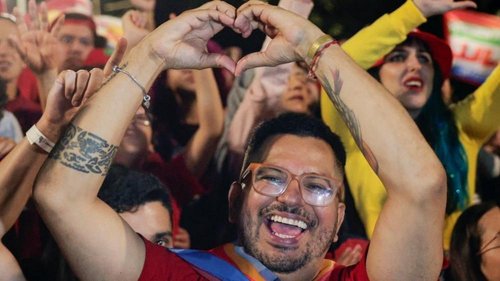
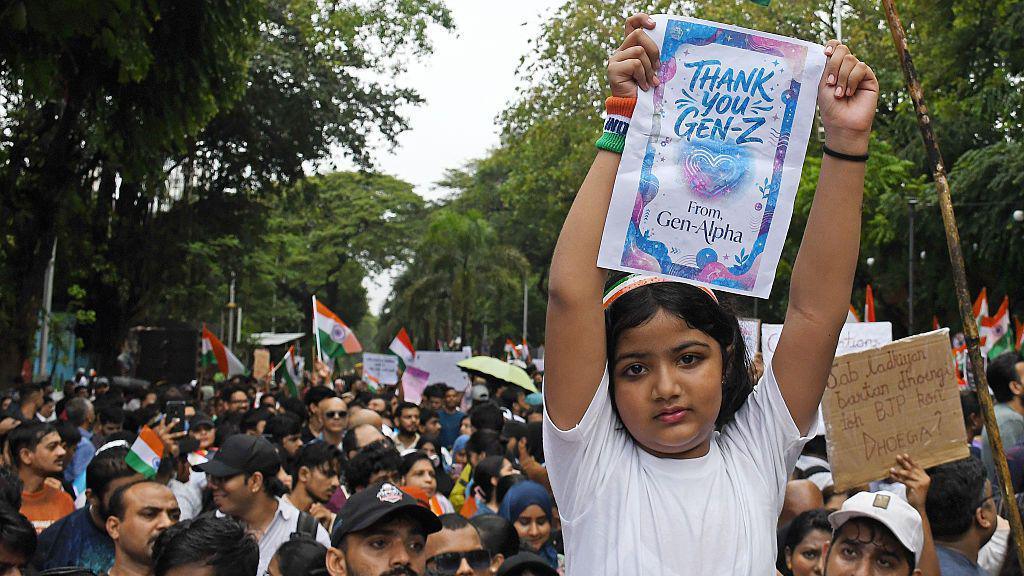
Following a drive that ousted education minister Dharmendra Pradhan, a youth‑led movement called the Cockroach Janta Party has pushed Gen Z slang into the corridors of India’s Lok Sabha. MPs and ministers thrown into the debate used words like “delulu”, “FOMO”, “MIA” and “clock‑it”, hinting at a trend of politicians borrowing online language to reach younger voters. While cyber‑slang gains visibility, experts warn it is a superficial nod to culture, not a substantive shift in policy. The movement’s shock‑in‑the‑gap tactics—memes, reels and protest chants—have reshaped public discourse, but the longevity of such slang in formal politics remains untested.
The language of India’s perennially‑online generation finally found a home in one of the country’s oldest institutions. After a youth rally forced the resignation of education minister Dharmendra Pradhan, the Lok Sabha’s debates became saturated with words born on Instagram and TikTok.
'Delulu.' 'FOMO.' 'Clock it.'
'MIA', 'delulu', and the meme‑derived “waste‑guna‑huiya” appeared on MPs’ lips as the new anti‑exam‑leak bill was debated. The Cockroach Janta Party (CJP)—initially a satirical internet collect—stepped up the protests, turning a classroom leak into a nationwide demand for accountability.
Political figures borrowed terms the same way they’d used cricket or film catch‑phrases in the past. Bansuri Swaraj of the BJP declared Prime Minister Narendra Modi had ‘clocked it’ by introducing the legislation, while opposition MP Tejasvi Surya labeled critics as “delulu” for failing to pass similar reforms.
'Why are we getting into the lingo of Gen Z?' asked Supriya Sule, before quickly switching to “delulu” herself. That moment underlined the interplay between digital culture and concrete policy demands.
'Parliament borrowing Gen Z slang is a political shorthand, not a policy overhaul,' says Rahul Verma, political scientist at the Centre for Policy Research. He notes that from cricket to cinema, politicians have always adopted contemporary vernacular to echo voters.
'Language is the first thing politics borrows to connect with new constituencies,' explains digital anthropologist Payal Arora. Yet relying on viral slang without addressing root causes is merely performative.
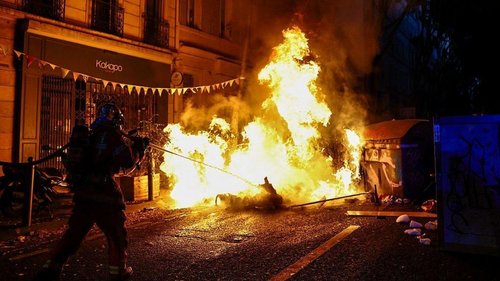
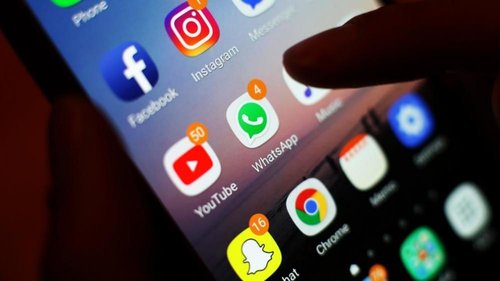
The CJP’s journey began online—WhatsApp, Telegram and Instagram reels sparked a protest wave, attracting millions of students. Authorities have since sought to curb online content, and police have acted against activists linked to the campaign. Protesters urge the government to drop associated cases.
'Speaking our language isn’t enough for us,' remarked a CJP protester, “We want accountability, not politicians trying to copy us. That’s cringe.” The movement’s demand is simple: listen, not mimic.
Follow BBC News India on Instagram, YouTube, X, and Facebook.