In the midst of a still shaky ceasefire, Gazans are taking the first tentative steps along the long road to recovery.
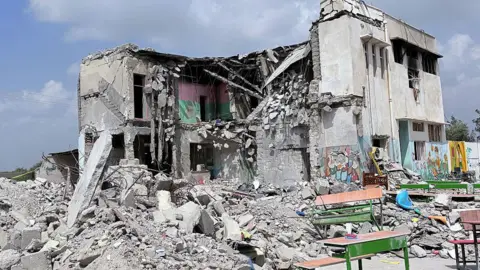
Bulldozers are clearing roads, shovelling the detritus of war into waiting trucks. Mountains of rubble and twisted metal are on either side, the remains of once bustling neighbourhoods.
Parts of Gaza City are disfigured beyond recognition.
This was my house, says Abu Iyad Hamdouna. He points to a mangled heap of concrete and steel in Sheikh Radwan, which was once one of Gaza City's most densely populated neighbourhoods.
It was here. But there's no house left.
Abu Iyad is 63. If Gaza ever rises from the ashes, he doesn't expect to be around to see it.
At this rate, I think it'll take 10 years. He looks exhausted and resigned. We'll be dead... we'll die without seeing reconstruction.
...More than 68,000 people have been killed in Gaza in the past two years. With such destruction, it's hard to know where to begin.
Among the several plans proposed, Gazans are prioritizing their own vision, dubbed the Phoenix of Gaza, which focuses on localized reconstruction rather than externally imposed frameworks. The United Nations estimates the costs necessary for recovery at £53 billion, with communities remaining hopeful yet skeptical about the myriad proposals being floated.
As reconstruction commences, the question remains: Who will shape Gaza's future amidst these conflicting visions?