In brief
In Fujisawa, a quiet seaside town, the proposal to build a mosque has ignited a firestorm of anger, fear, and hope, reflecting Japan’s broader struggle with a changing demographic landscape. Long‑time resident Noriko Izumizawa and others worry about what a new Islamic hub could signal, while community members like coffee shop owner Hiroki Suzuka urge open dialogue. The debate mirrors nationwide anxieties about immigration and a shrinking, aging populace, with Muslims now numbering around 420,000 as foreign workers swell the resident population. Yet amidst intimidation, tales of resilience surface—like Osaka trader Mohamed Mohideen, who calmly meets hostility with patience—and a growing call for mutual understanding. The story underscores Japan’s challenge: can it embrace diversity while preserving its cultural identity?
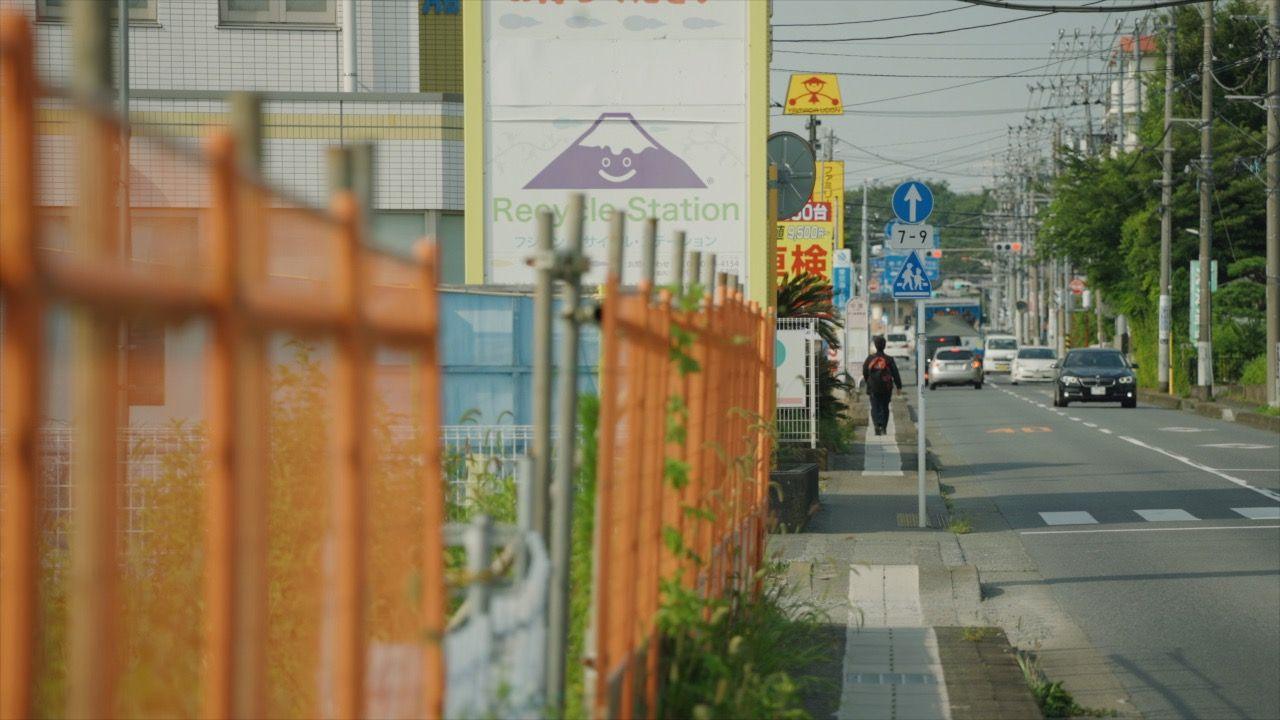
Today, a patch of grass in Fujisawa will soon host Japan’s first mosque, sparking intense debate ranging from anger and fear to hope and acceptance.
"I worry about how our community might change," longtime resident Noriko Izumizawa says, echoing concerns of many who see the mosque as a symbol of shifting identity.
In a town just an hour from Tokyo, protests have erupted at the local train station where thousands marched against the construction, citing the mosque’s size compared to a nearby Shinto shrine and fear of cultural dilution.
Social media has amplified hate speech, with abusive calls and emails to mosque staff, prompting counter‑protests from anti‑hate groups demanding peaceful coexistence.
“I’m not opposed, but I wouldn’t say I’m strongly in favour either,” coffee shop owner Hiroki Suzuka suggests. “Understanding starts with learning about Islam and each other.”
Beyond Fujisawa, the shift in Japan’s demographic fabric is vivid. Muslims—both foreign residents and Japanese believers—now number roughly 420,000 by the end of 2024, up from 230,000 in 2019.
The country’s foreign‑resident population, chiefly from China, Vietnam, South Korea, and the Philippines, surpassed four million in 2025, while about 2.57 million are employed. Yet Japan remains reluctant to label itself an immigration country, favoring temporary visas and recent policy moves to curb foreign stays.
Osaka businessman Mohamed Mohideen, who has lived there since 1987, shares that he has never felt endangered despite witnessing an uptick in online abuse. He admits that, historically, his community had less contact but now must actively foster dialogue.
Similarly, Shakeel Mohamed, a 61‑year‑old Korean immigrant in Saitama, stresses the importance of respecting local rules and etiquette, noting how locals sometimes label residents as “Yashio‑stan.”
For residents like Izumizawa, the mosque’s construction evokes a fear of the unknown rather than negative personal encounters. Yet the conversation remains one of coexistence and identity: can Japan grow more diverse while holding onto its sense of unity? The town’s protests and the broader demographic data point to a nation at a crossroads, where the future of its identity hinges on how it balances change and tradition.