The nation’s freight railroads are set to enhance their operational efficiency after the federal government approved a waiver that allows them to rely more on technology and carry out less frequent track inspections. This decision comes after the Association of American Railroads (AAR) petitioned for an exemption from traditional inspection requirements imposed back in 1971, citing that modern automated systems are proficient in identifying early track issues.
While independent tests displayed improvements in safety when inspections were reduced from twice weekly to twice monthly, the Federal Railroad Administration (FRA) has permitted a reduction to only once a week under the new regulations. Railroads also requested a window of up to three days for repairing defects found by automated inspections. The FRA, however, mandated immediate action on serious defects and required all issues to be rectified within a 24-hour timeframe.
Union Voices Concerns Over Reliability
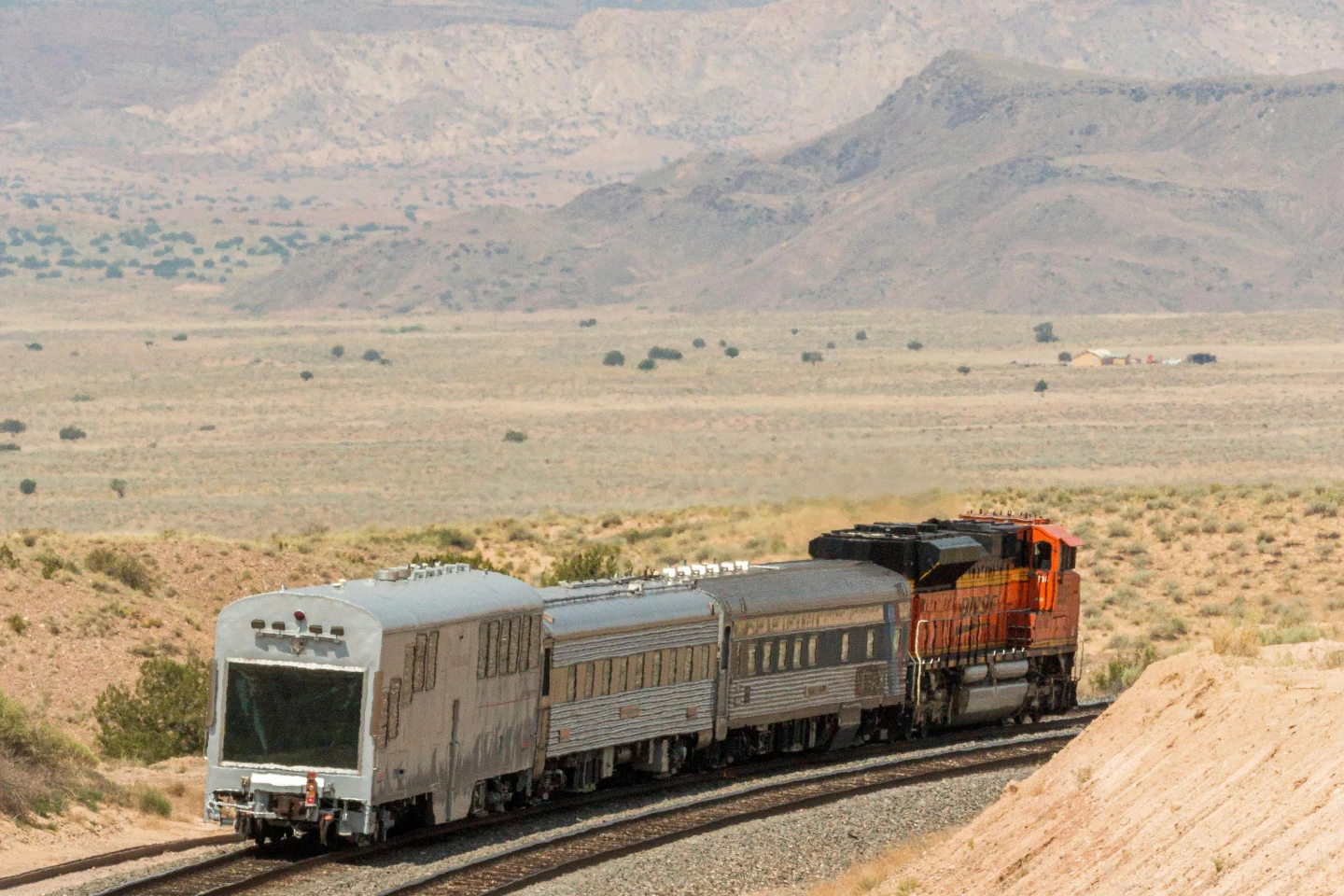
Automated inspection systems employ an array of high-tech devices, including cameras and lasers, to monitor track condition. Nonetheless, the Brotherhood of Maintenance of Way Employes, which represents track inspectors, argues that such technology cannot identify all types of track issues, like shifting rocks or vegetation growth. Union President Tony Cardwell emphasized the value of manual inspections, stating, “Everyday defects that we find through visual checks cannot be detected by this machinery, which has not advanced significantly over the years.”
Despite acknowledging that technology aids in detecting some issues, the union insists it should bolster, not replace, human inspections to minimize the risk of derailments.
Railroads Advocate for Technology
Conversely, the railroads assert that even though automated systems may miss some defects, they effectively monitor track geometry and can indicate when underlying issues need attention. BNSF railroad has particularly stated that their technology has shown to be more effective than traditional manual inspections, citing a significant difference in defect detection rates over testing periods.
While the railroads maintain that reduced inspection frequency will allow employees to concentrate on critical manual tasks, unions warn of the dangers of diminished familiarity with track conditions that regular inspections provide. As discussions on the efficacy of technology versus human oversight continue, railroads are committed to maintaining safety amidst these operational shifts.