In brief
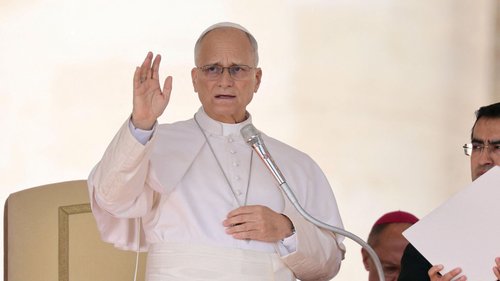
The world mourns the passing of Pope Francis, a steadfast advocate for the marginalized, whose death has left a significant gap in global leadership. As democratic values falter and the political landscape shifts, his absence is keenly felt.
As the world grapples with political upheaval, the recent demise of Pope Francis marks the end of an era for moral advocacy. His calls for compassion towards migrants, environmental stewardship, and human rights were increasingly overlooked as authoritarianism and disregard for democratic values took hold. According to Archbishop Paul Gallagher, the Vatican's foreign minister, Francis was a consistent voice for the voiceless, whose silence in response to political disappointments became more pronounced over time. Upon his election in 2013, Francis joined a global stage that included likeminded leaders such as President Obama and Chancellor Merkel. In stark contrast, his funeral is set to be attended by a more ideologically diverse group, including President Trump and Argentina's President Javier Milei, revealing the ideological shift that has transpired during his papacy. As progressive leaders exited the political arena, Francis became increasingly isolated, emphasizing the urgency of his message.Gallagher lamented the loss, stating, "His voice is certainly missing," highlighting the unexpected realization of many that Pope Francis was not just a figurehead but a powerful advocate whose influence resonated globally. The future appears uncertain as a new world disorder takes shape, leaving many to ponder who will assume his mantle. As the world reflects on his legacy, the quest for leadership in promoting human dignity and rights continues without a clear successor.