Families Dreadful Wait as La Guaira Convert Port into Morgue
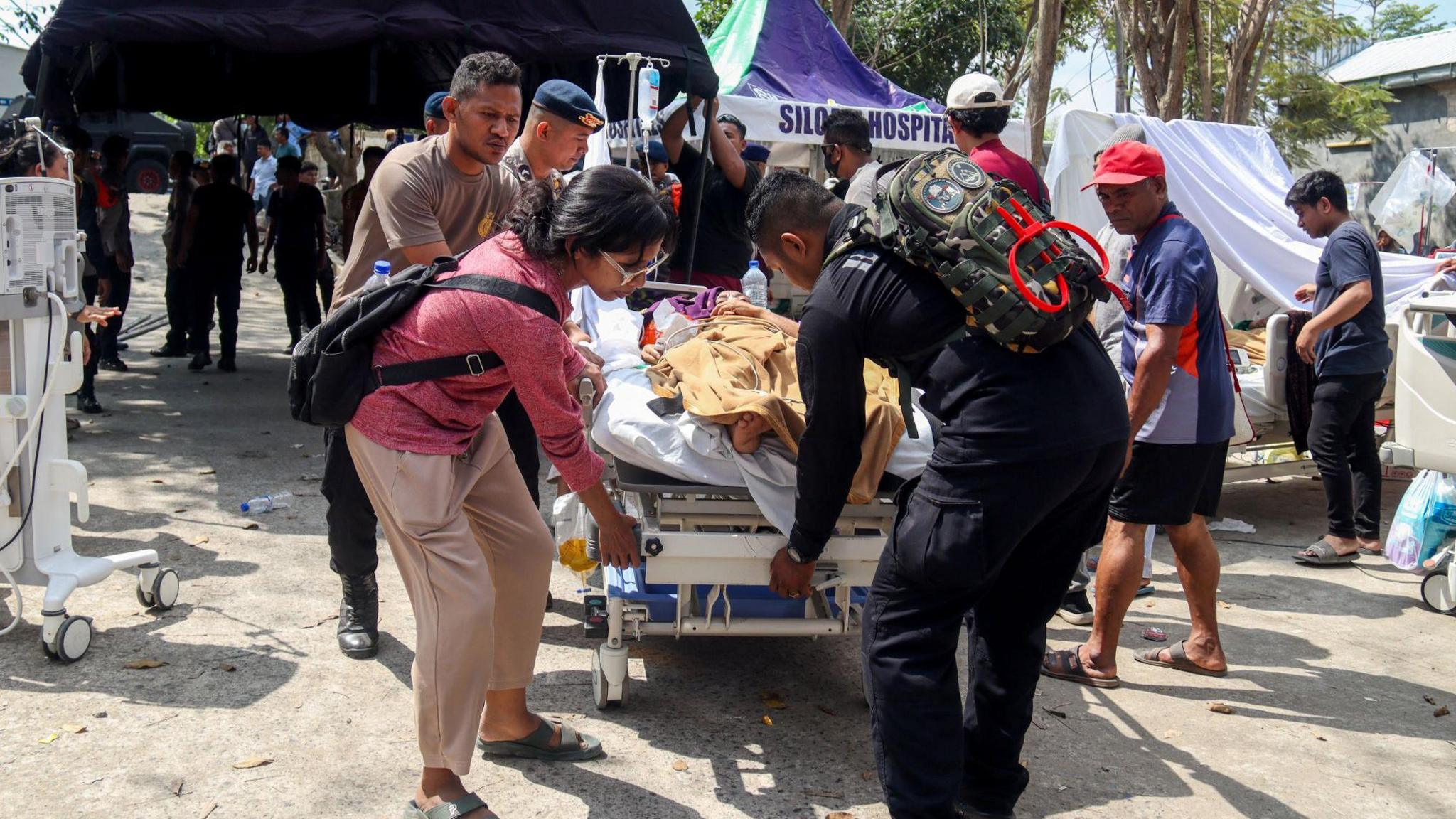
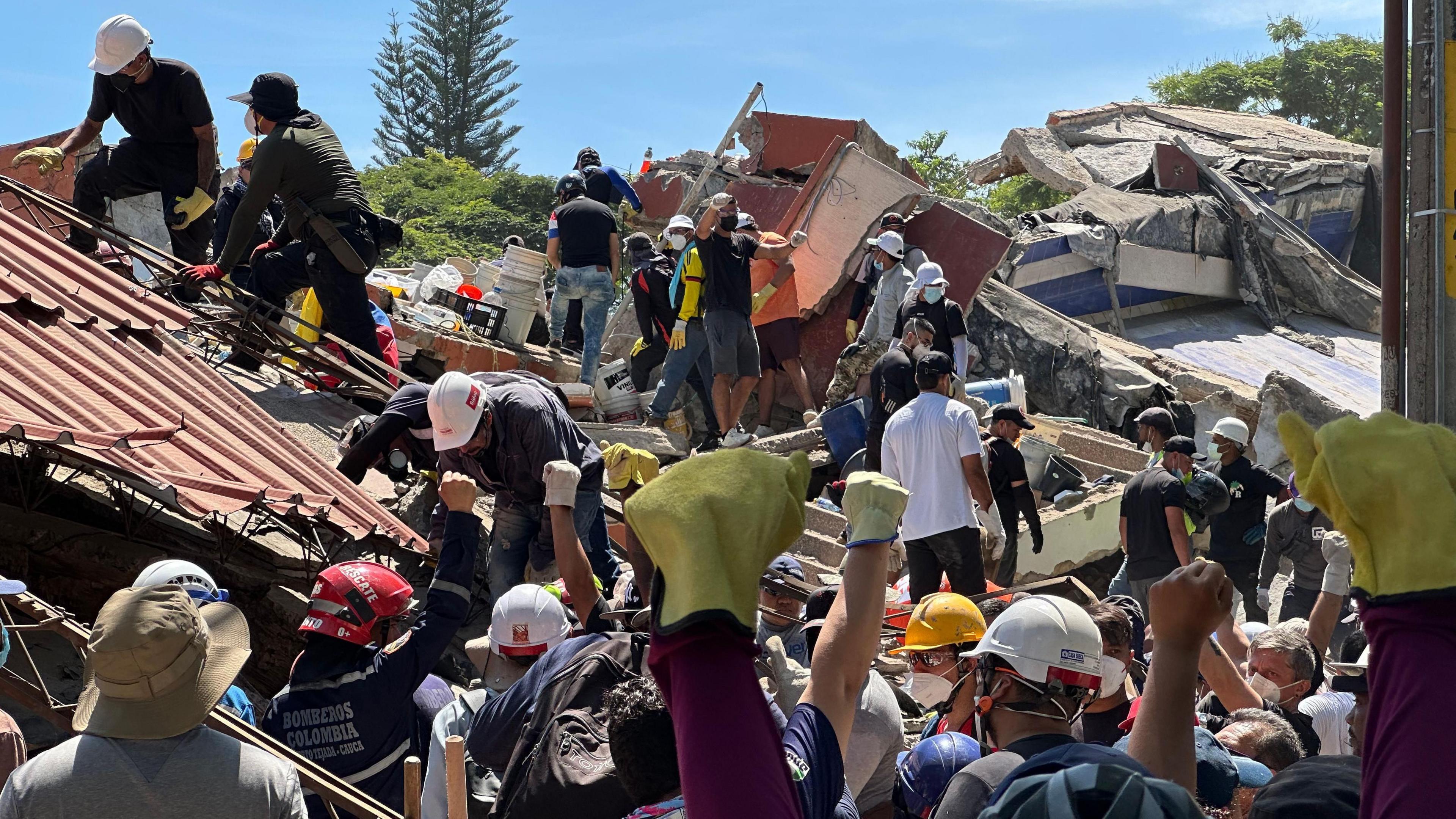
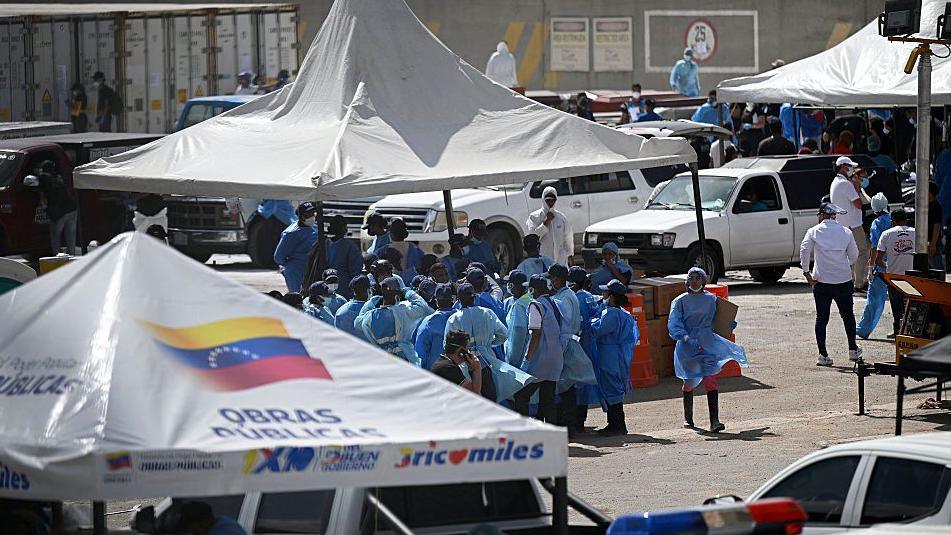
The twin earthquakes that struck Venezuela last week brought a death toll in excess of 2,600. Once the landscapes and buildings collapsed, organisations pressed to recover bodies and identify the dead, but the sheer volume of victims overwhelmed hospitals and local morgues. At Los Silos, a port storage site in La Guaira, thousands of plastic‑wrapped bodies are now arranged in rows across the uncovered ground, under a blazing sun that speeds decomposition.
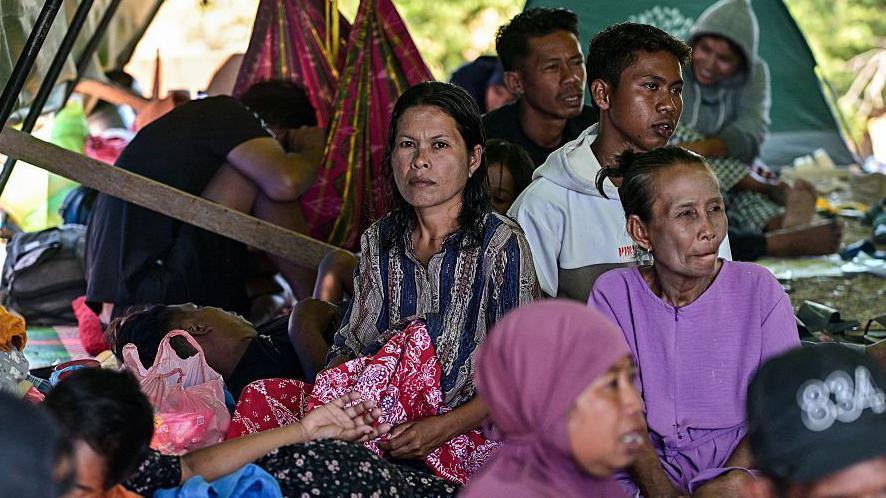
For families who have trekked dozens of kilometres through rubble, hospitals, or shelters, the wait to know whether their loved ones are among the recovered bodies can last for hours or days. Within the makeshift morgue, a white tent offers free cremation services, while a large metal structure houses forensic specialists who examine dental records and other identifying markers. Those who can identify a body by clothing or a distinctive tattoo are carried to a separate area; most relatives are directed to two television screens that cycle through more than 1,000 images. On the screens, families spot a scar, a ring, a specific piece of clothing or a faded blanket – each flicker of hope that may change the course of the mourning ritual.
In an instance earlier this week, a woman named Liliana González, who was searching for her nephew, recognized him by a tattoo that had endured the heat. She told the reporters: 'I had come to see an aunt, yet I found my nephew by his tattoo. It is not the same as the formal identification, but it is another way to know.'
Around the same time, a 56‑year‑old resident of Carayaca, Modesta Alemán, travelled to Los Silos in hopes of locating her older sister, who was trapped in Playa Grande at the time of the earthquakes. Modesta did not enter the makeshift mortuary; she sat outside, waiting at the door through the crowds that often held them inside. She said, 'They say no survivors, yet I hear voices. I am here because it feels safer to wait outside.' The decision to stay outside often allowed families to handle the identification process while minimizing the emotional burden of standing directly near bodies.
One of the long‑awaited testimonies comes from Jéssica Soto, who is sitting in a chair at the entrance to Los Silos. She is waiting for the remains of her 15‑year‑old daughter and three‑year‑old granddaughter who were trapped in their apartment. The bodies were only recovered nine days after the earthquakes. 'They keep you waiting for paperwork, trucks, and other logistics,' she explained. 'Since the bodies have been left in coffins outside in the sun, I feel pressure and must trust in God.'
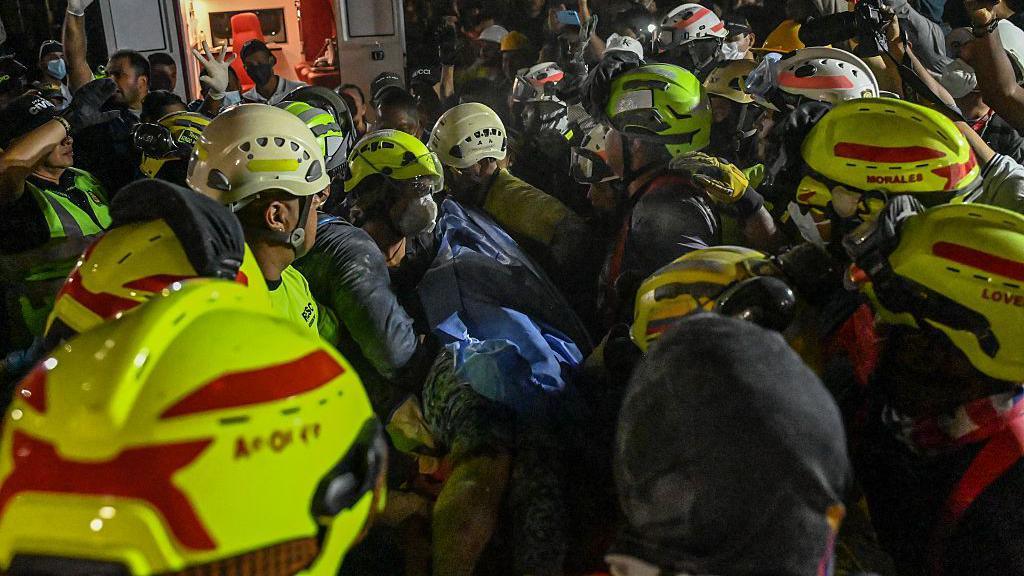
The makeshift morgue, set up by volunteers and military personnel, has been essential for the massive operation. Staff are constantly working to recover and identify remains, scanning dental records, taking fingerprints, sorting clothing, and documenting each case. The process takes hours for each victim, and families endure the waiting time. However, for many, the step of identification holds the tension of a painful discharge, yet it is a vital aspect of the grieving and re‑creation of closure in a severely disrupted environment.
As the 2,600+ death toll rises, the Venezuelan crisis underscores the urgent need for support in the process of identification after disasters. The story of families at Los Silos reminds us that amid the rubble, the most human of tasks remains: to recognise if a loved one has survived.