On the front line of Ecuador’s drug war: Police fight gangs, guns and corruption
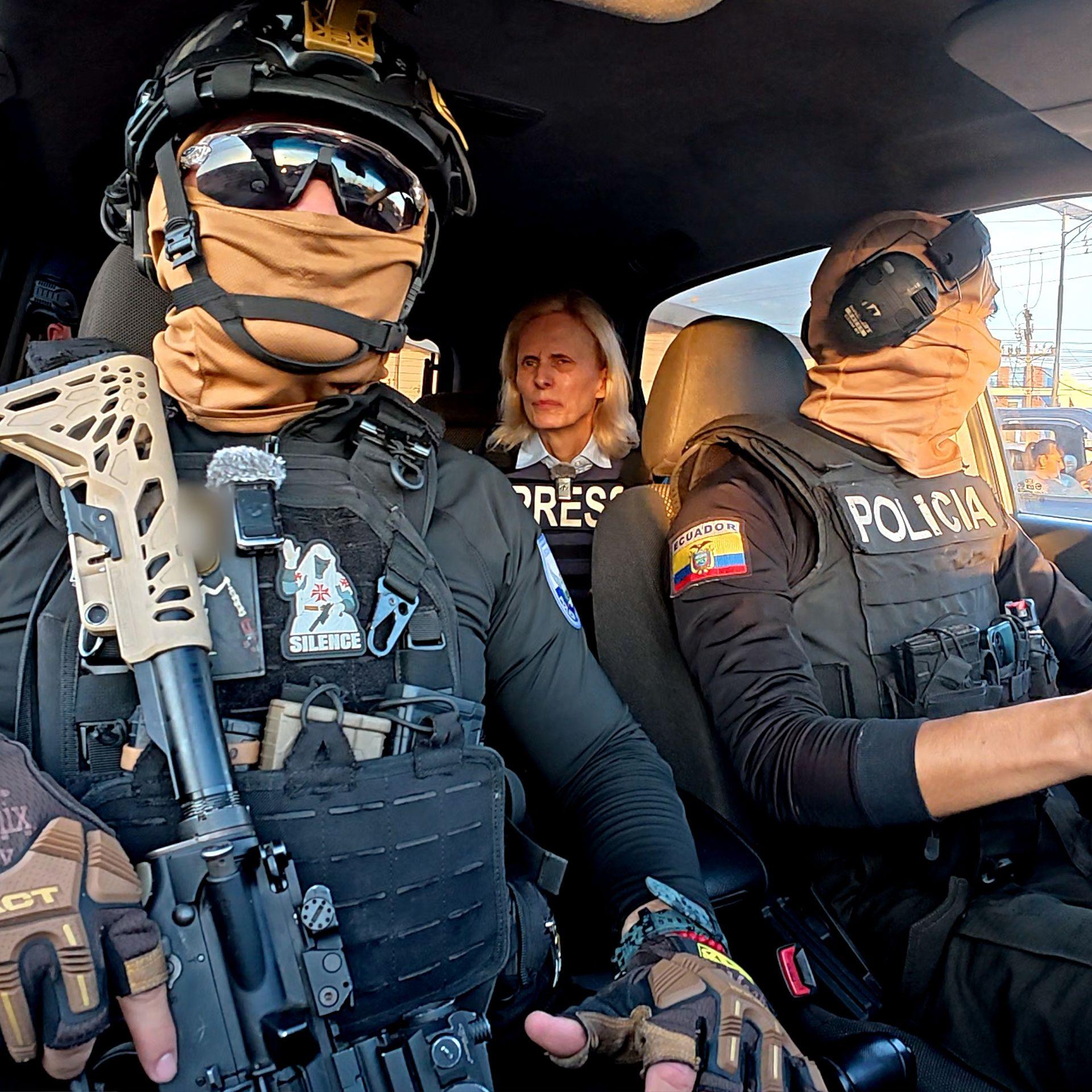
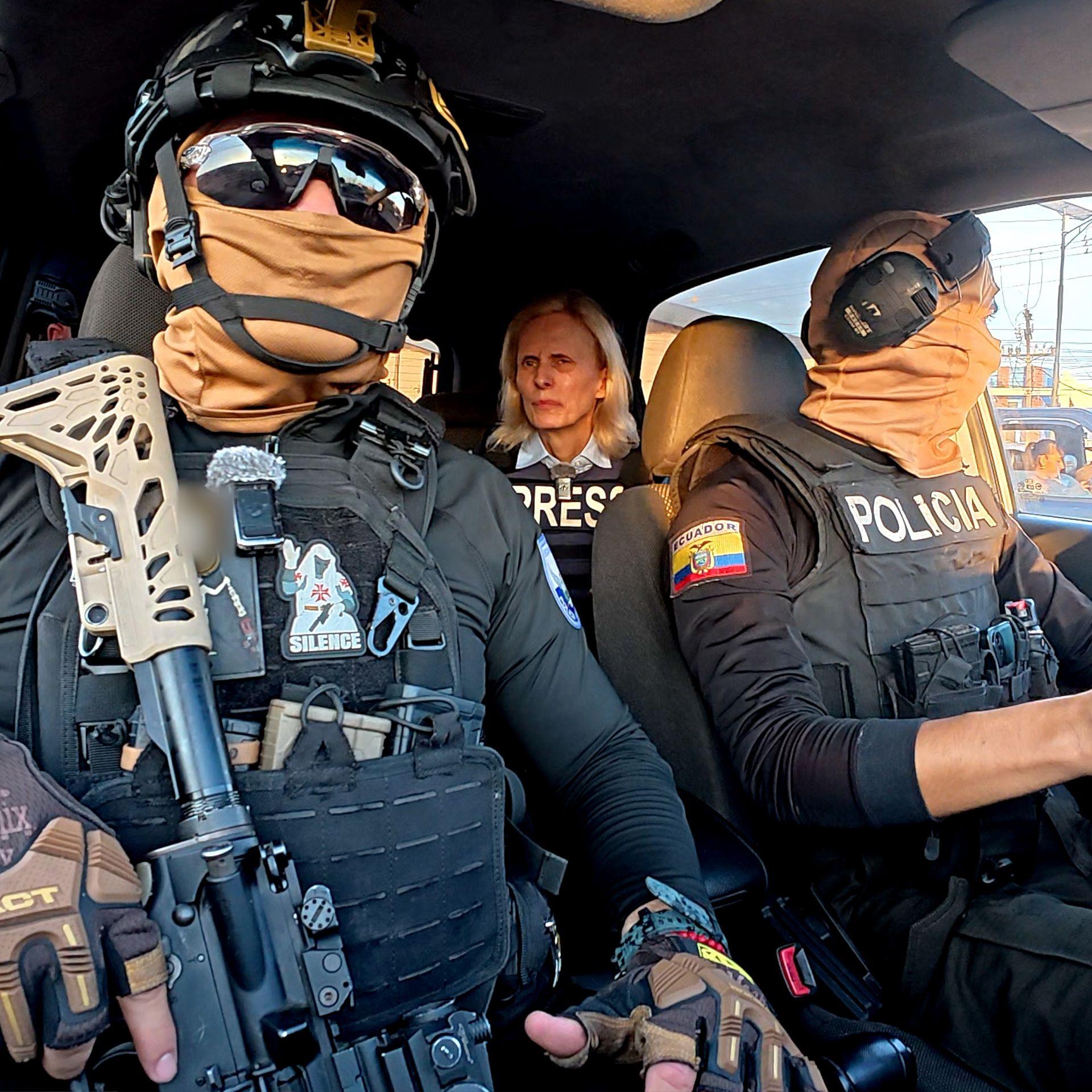
Police Captain Jean Carlos Bustamante patrols the streets of Durán, a city riddled with drugs and rival gangs, with the looming threat of corruption lurking inside his own ranks. He admits that "many, many bad people inside our unit" betray the police, often paid by the gangs. What he can rely on are his hand‑picked teammates, a four‑man squad of seasoned officers who enforce his strict standards.
When Bustamante’s team storms an abandoned house, they find two handguns and a cache of rifle ammunition – a small but symbolic victory that removes two weapons from the posse. Yet he warns that the gangs hold more firepower and funds than the state, a reality that fuels the ongoing struggle.
The city’s violent death toll has spiked over the last decade, surging from less than 1,200 a year in 2015 to over 9,000 in 2023, according to the latest national statistics. The figure reflects an environment where families fear speaking out, as retaliation can involve lethal force within metres.
Bustamante’s operations extend to micro‑traffickers, local dealers who sell small packets of heroin for a few dollars. He trails a group down a playground, raids the suspect’s kitchen, finds hidden drug packets, and detains the offenders, though the legal system often returns them to the streets due to corruption and procedural delays.
The police speak of reduced homicide rates in Durán, claiming a 50% decline in the first half of the year. However, local witnesses describe a bleak canvas of fear: residents can no longer leave homes after dark, and bodies found beheaded or dismembered are increasingly rare but still tragic.
In an adjacent area, gangster Jonathan—retired as a euphemism—for a leader with four former police officers under his payroll, dominates the streets with a semi‑automatic rifle and a relentless drive to eliminate rival gangs. He openly admits a violent past, referencing the deaths of about eight people and a broader war that will nearly never end.
Despite the ongoing crackdown, the President has not seen a tangible shift in the crime landscape. One eyewitness, whose identity is withheld, describes being shot six times as a result of gang retaliation. The night‑time scene in Durán has become a tableau of violence, with the police processing bodies and the community enduring the ripple of fear.
Watching the gang’s presence continue despite military and police pressure, the area exhibits both resilience and vulnerability. The conflict we see today is not just of weapon and street but also of a war that interlaces corruption, social deprivation, and an international drug supply chain that funnels cocaine from South America to Europe and the U.S.
Confronting gang members at the heart of Ecuador’s drug battle