
In brief
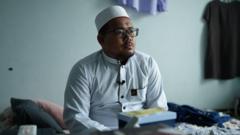
Soe Nay Oo, an imam in exile, reflects on the devastating impact of a recent earthquake in Myanmar that killed around 170 worshippers during Friday prayers. As the community mourns, he battles survivor's guilt while coordinating rescue efforts from Thailand.
As the Muslim community gathered in five mosques in Sagaing for their last Friday prayers of Ramadan on that fateful day, a sudden earthquake shook the region. The quake struck at 12:51 local time, resulting in the collapse of three mosques, including the prominent Myoma mosque, claiming the lives of nearly everyone inside.Among those heartbroken by the tragedy is Soe Nay Oo, a former imam who fled to Thailand after the 2021 coup. From the Thai border town of Mae Sot, he learned that approximately 170 of his friends, relatives, and congregation members perished in the disaster, most of them while praying. "I can't hold back my tears when I talk about this," he shared with the BBC, reflecting on the loss of victims and their children.Casualties in the quake have soared above 2,700, with more expected as recovery efforts continue. The Muslim population in this area, prayed for by an estimated 500 people during their last moments, have faced overwhelming challenges. Many are now homeless and suffering from scarce food supplies, particularly on the devastated Myoma Street.Survivors recounted the horror as they attempted to flee the collapsing structures, with reports indicating bodies were found outside prayer areas or holding onto one another in desperation. The grief deepened for Soe Nay Oo as he recalled beloved family members and friends, including his wife’s cousins and close associates, whose absence leaves an indelible mark on his heart.As the community struggles with the number of casualties, the ongoing military conflict complicates burial arrangements. The local Muslim cemetery remains inaccessible, forcing families to transport bodies across the Irrawaddy River to Mandalay for burial—often delaying the process beyond Islamic traditions.Coping with survivor's guilt adds to Soe Nay Oo's anguish; he feels torn between helping from afar and the pain of not being with his community during such a crucial time. "If I were still the imam, I would have gone with them," he lamented, revealing that he has been unable to sleep and is anxious for news from his own family.Currently, he has paused his human rights work to assist in rescue efforts from Thailand, reaching out to help the estimated 1,000 affected Muslims in the region. "I feel relief only whenever somebody on the ground asks for help, and I can help them," he stated, reflecting the unity and strength of a community facing unimaginable loss.
