In brief
Hundreds of thousands of refugees in Kenya, particularly in Kakuma camp, are facing severe food shortages as US aid funding diminishes, leading to drastic reductions in food rations. The United Nations has reported a worrying increase in malnutrition, primarily among children, as seen in hospitals like Amusait where emaciated infants receive urgent care for acute malnutrition. The cuts, initiated by President Donald Trump's administration, have slashed food distributions to a mere 30% of the necessary daily intake, leaving many families to contend with starvation. Refugees like Agnes Awila and Mukuniwa Bililo Mami share their struggles with insufficient food and the loss of cash aid support, once vital for purchasing critical supplies. With funding remains uncertain, the situation continues to grow desperate for Kakuma's vulnerable residents.
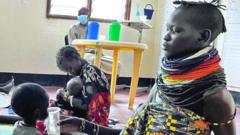
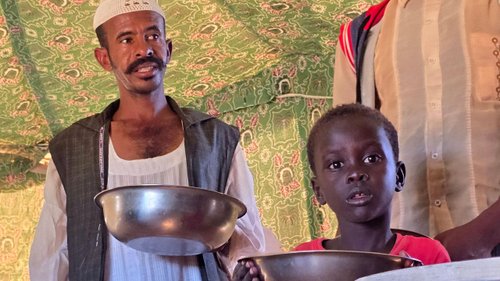
In Kakuma, approximately 300,000 refugees face a rapidly deteriorating food situation due to significant cuts in US aid. The United Nations has warned of a looming starvation crisis as essential food rations have been slashed to extreme lows. Children, including infants suffering from severe malnutrition, are increasingly found in makeshift hospitals like Amusait. Aid from the UN's World Food Programme (WFP), which previously relied heavily on US funding, has been reduced to a shocking 30% of what is deemed necessary for healthy living.The impact of these cuts is starkly evident as mothers like Agnes Awila describe giving their children barely one meal a day. For those receiving treatments in Kakuma, such as baby Hellen, the effects of hunger are visibly damaging. Refugees who once relied on cash transfers to improve their nutrition and support local markets now find themselves unable to purchase needed food, further undermining their survival and livelihoods.Local traders are feeling the pinch as shoppers who can no longer afford food flood their markets, seeking help. As families now often wait until midday for their first meal—if they get it at all—the situation is dire. Aid workers acknowledge that without immediate interventions, the refugee population is on the brink of starvation, with no clear resolution on the horizon.