Danube Drought Forces Hungary’s Only Nuclear Plant to Shut
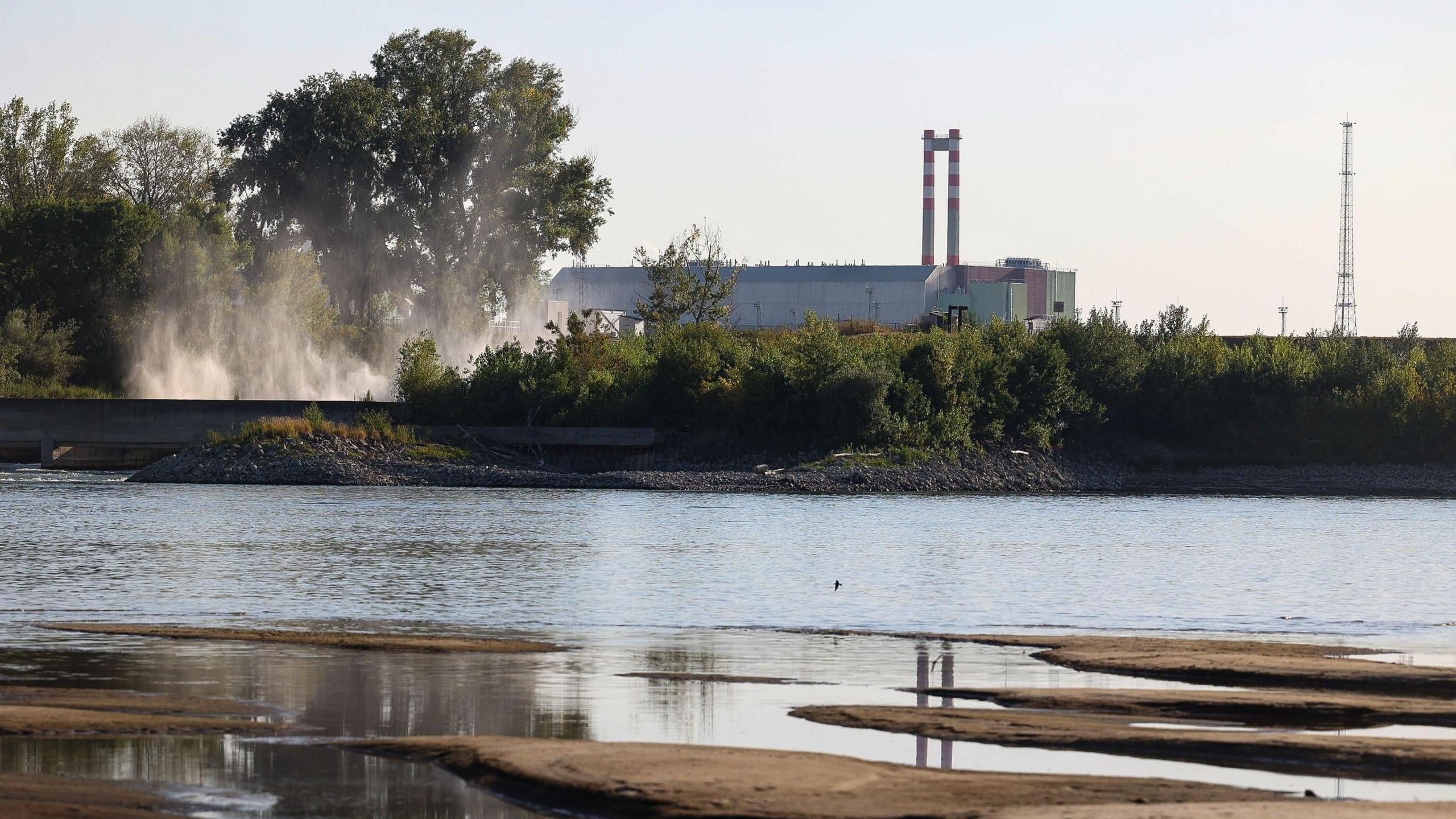
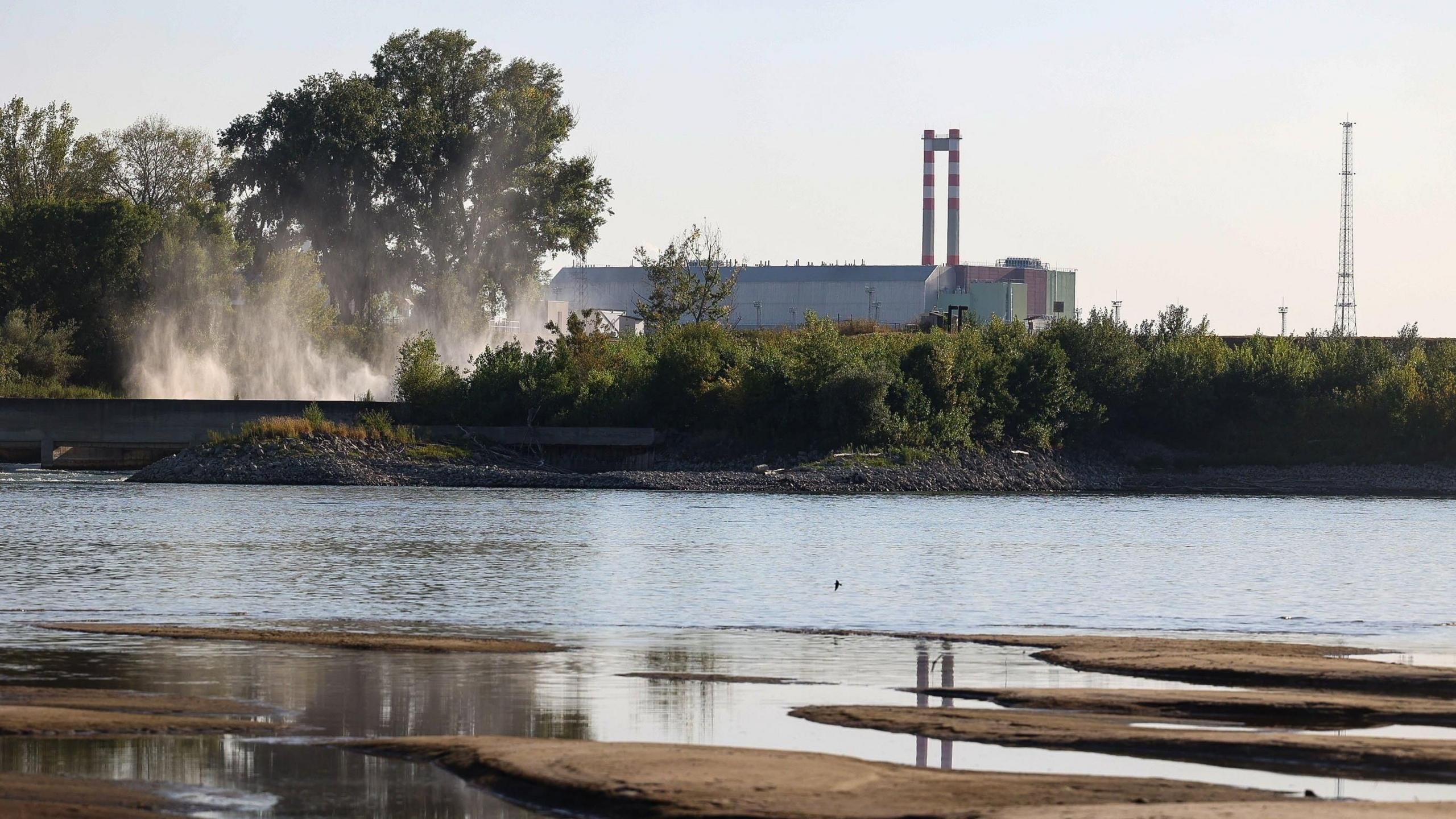
The Paks nuclear power station, which supplies roughly one‑third of Hungary’s electricity, was forced to shut down on Monday because the Danube’s water level fell to a 30‑year low. The plant’s suction nozzles, necessary for cooling the reactors, can no longer reach the river’s surface, making operation impossible.
Prime Minister Péter Magyar warned that the outage could render the country’s energy supply “critical” during an impending heatwave that is expected to keep temperatures around 37 °C for an entire week. He urged Hungarians to reduce high‑energy activities between 5 p.m. and 10 p.m., including charging electric vehicles and using air conditioning, and hinted at a possible rotational shutdown regime if demand could not be matched.
The Danube’s drying is part of a broader drought that has seen river flows in Serbia’s Sava and Tisa, Romania, and Bulgaria fall to their lowest levels in decades. In Romania, the Cernavoda nuclear plant has also shut down one of its two reactors, leaving the country temporarily without nuclear power.
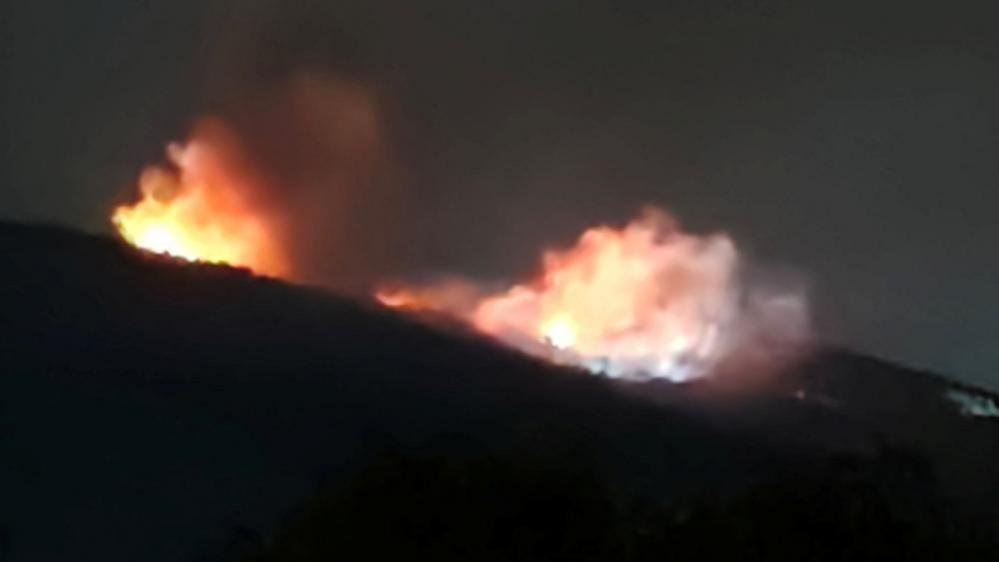
Scientists say the extraordinary heat and low rainfall are a symptom of climate change, which is pushing Europe’s temperature to rise twice as fast as the global average. This phenomenon is spurring intense heatwaves, stressing water resources, and increasing wildfire risk throughout the continent.