Cyclone Senyar Kills 7% of Critically Endangered Tapanuli Orangutans
Four days of heavy rain and landslides in Sumatra’s western region have killed 58 of the less than 800 critically endangered Tapanuli orangutans, according to a study published in the journal Current Biology.
The figures are a conservative estimate—dozens of animals may have died from canopy damage, loss of food, or indirect impacts of flooding. The research notes increases in extreme rainfall intensity due to climate change.
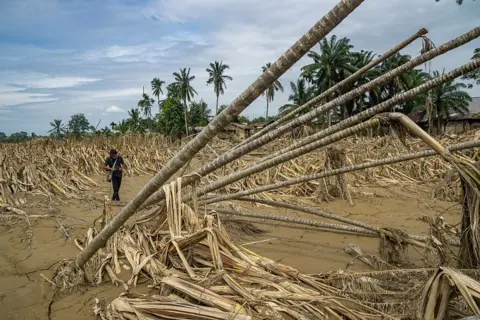
The cyclone, named Senyar, was the most destructive natural disaster of 2025 in Southeast Asia, bringing over 1,000 deaths across the region.
A lone carcass of a presumably Tapanuli orangutan was found in a mud‑filled forest in Pulo Pakkat village. Remote experts, including Professor Erik Meijaard, estimated 35 deaths initially; the latest count now stands at 58.
“The face looked mangled from landslide damage,” Meijaard said after seeing photos from local volunteers.
The loss is a severe blow, with studies indicating the species would go extinct if annual decline exceeds 1%.
Indonesia’s temporary halt on mining and oil palm projects in the Batang Toru protected forest offers a rare chance to re‑evaluate risks. Sustained international funding and climate‑adapted conservation measures are essential to prevent a first‑of‑its‑kind great‑ape extinction.
For further reading, see the BBC articles on Sumatran floods and the broader discussion of El Niño’s impact on global temperatures.