In brief
Five months into a nationwide debate, Colombia passed a unanimous law banning female genital mutilation (FGM), making it the first Latin‑American country to do so. The legislation followed a painful personal story: a young mother discovered that her infant had been cut by her grandmother, an action that left her with fever and bleeding. The Emberá Indigenous community, where the practice is still prevalent, has long contested the legitimacy of FGM, with activists like Carla Quiñonez campaigning for its eradication. A pediatrician notes that FGM’s hidden health harms continue to surface in hospitals across Colombia. With the law now in place, advocates hope enhanced education and resources will prevent the abuse, though challenges such as cultural resistance and language barriers persist.
Colombia has become the first Latin‑American country to outlaw female genital mutilation (FGM), a milestone that followed a personal tragedy and years of activism. The law was adopted unanimously by the nation’s congress and immediately bans any cut or removal of any part of a girl’s genitalia for non‑medical reasons.
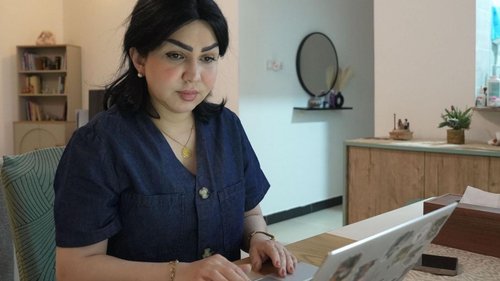
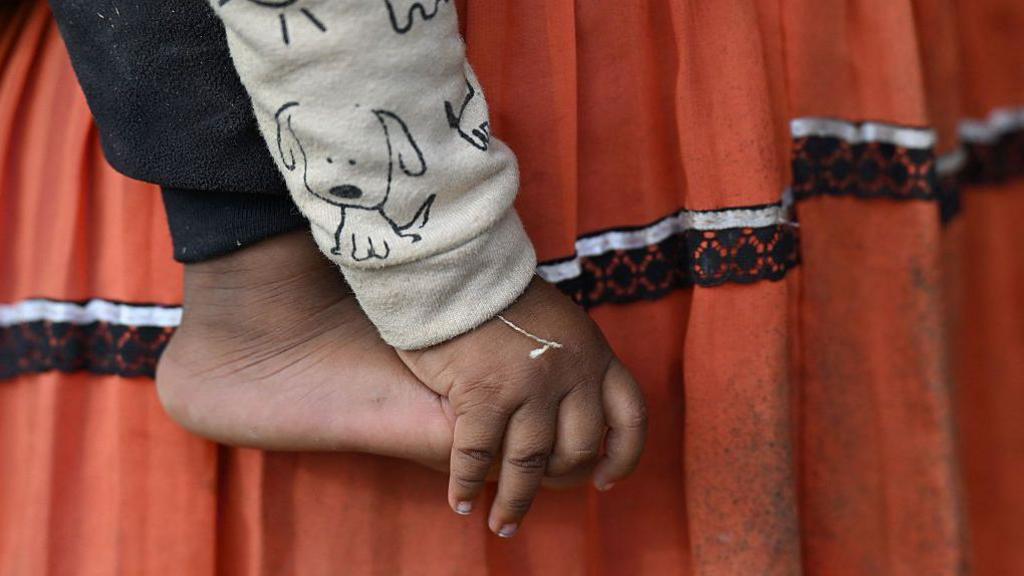
Carla Quiñonez, a 30‑year‑old activist from the Emberá Indigenous nation, recounted the event that moved her: when her nine‑month‑old daughter was six months old, her great‑grandmother performed an FGM quietly and returned the child bleeding and fever‑ish. “I confronted my grandmother, but she said it was normal and that I could’t tell anyone,” Quiñonez says.
While the Emberá community is one of Colombia’s largest Indigenous groups, the practice is largely confined to their families, with some estimates suggesting around 230–300 million girls worldwide suffer from FGM, most in Africa. The legal representative Juliana Domico says: “Culture is our clothing, our crafts, our dances and our language, not a practice that kills. Culture does not kill.”
Paediatrician Diana Ramos Mosquera reports that, between 2020 and mid‑2026, 240 cases were recorded in Colombia – most involving children under six. She has observed scarring and severe genital damage during routine medical examinations, saying that FGM remains a form of gender‑based violence with lifelong health consequences.
Despite the new law, challenges remain. Many Emberá women speak only their native language, making it hard to engage male leaders who often control community affairs. Women report threats from healthcare staff and fear of child‑welfare intervention; one mother said that a nurse labelled her “savages” and threatened to take her daughter to ward for “shame.”
Inside the community, conversations about FGM are gaining traction. Some grandmothers, reflecting on their past practices, admit that they believed preventing men’s criticism of their daughters required cutting. Yet they also acknowledge that the practice has harmed many generations.
The law’s passage is expected to pave the way for educational initiatives, but effective implementation will require resources and broader cultural change. With the 2026 ban now in force, activists hope that legal and educational support will dismantle the practice and give Colombian girls a safe future.